
The pursuit of precision
For three hundred years the watchmakers whose names survive were chasing one thing: a watch that lost fewer seconds than the last. From a quarter of an hour a day to two seconds, and what the certificates on a dial mean today.
Why a watch had to be accurate
1675Until this year a watch had no rhythm of its own: its balance swung as hard as the mainspring pushed it, and the time drifted by a quarter of an hour or more a day. Watches had one hand, because a minute hand would have been a pretence. Christiaan Huygens’s balance spring gave the balance a natural beat, and the minute hand followed almost at once.
1714The sea made precision a matter of life and money: a ship that knew the exact time at its home port could find its longitude from the sun; one that did not ran onto rocks. Parliament offered £20,000 for a method good to 30 nautical miles, which on a six-week voyage means a clock that drifts no more than about three seconds a day.
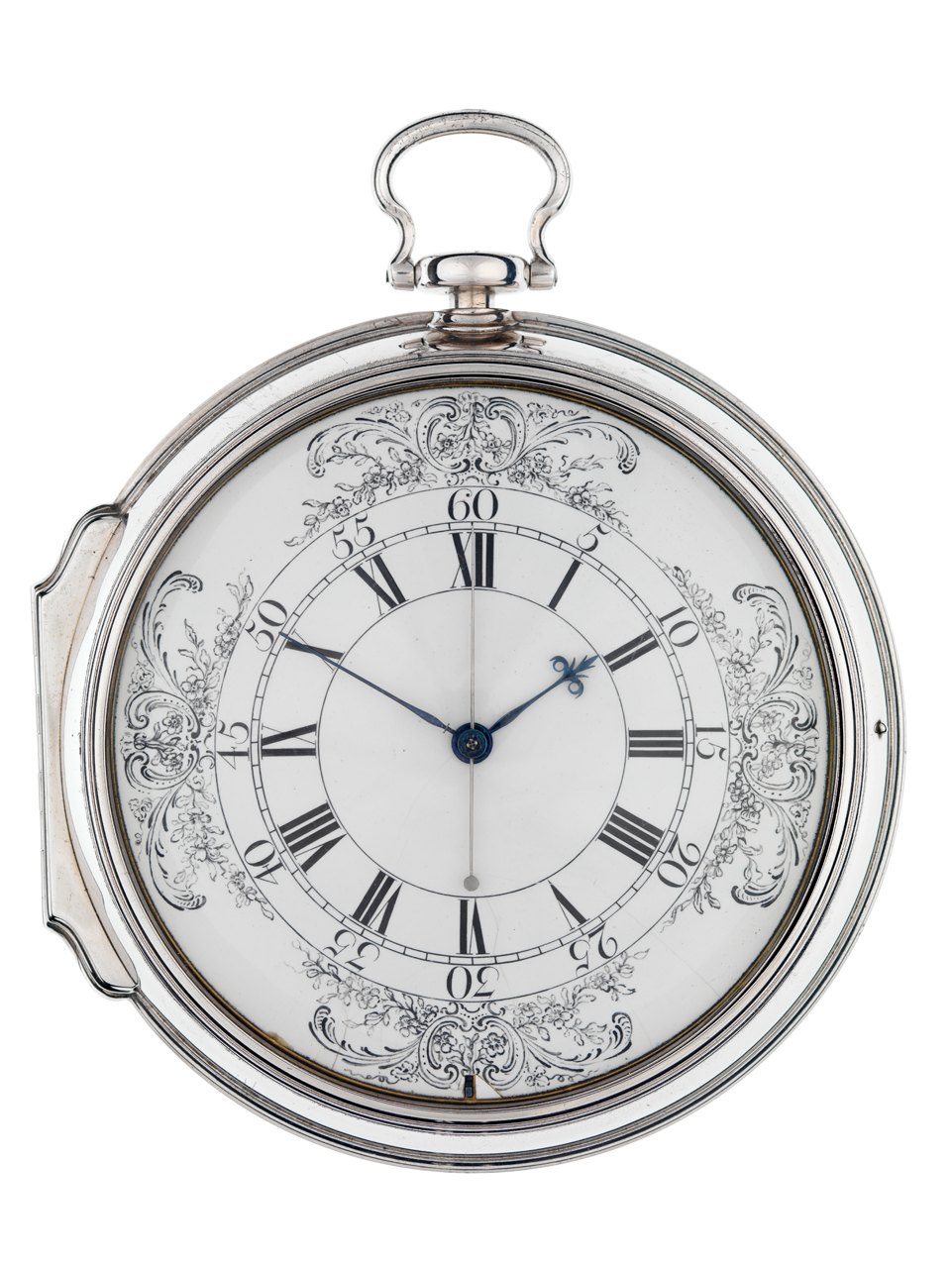
1761John Harrison’s fourth timekeeper, H4, finished in 1759, sailed to Jamaica. After allowing for its known rate it was about five seconds out. The Barbados trial of 1764 confirmed it was inside the Act’s limit, and Parliament eventually paid him, though the official prize was never awarded.
1770Thomas Mudge’s lever escapement, the one in almost every mechanical watch today, survives in a watch bought by George III for Queen Charlotte in this year, the earliest known example.
1779The word chronometer came out of the same race. John Arnold used it for his pocket watch No. 36, tried at the Royal Observatory at Greenwich, whose error over the last nine months of the trial came to a single minute. Arnold and Thomas Earnshaw each claimed the spring detent escapement that made such rates possible; the dispute was never settled.
How far a watch may drift in a day
Every point below is a daily drift, from the worst to the best. Each step along the line is roughly ten times better than the last. Harrison’s and Arnold’s figures are the mean rate of one exceptional piece; the figures from 1973 on are standards every certified watch must meet. Quartz is shown for scale.
Measuring it: the observatories
1858The Neuchâtel Observatory is founded to check the chronometers made in the region. A claim of accuracy was worth nothing without someone neutral to measure it, and from now on the astronomers did it.
1866Neuchâtel holds its first annual chronometer competition on 20 June; Geneva follows in 1873. A watch is left for weeks in several positions and at several temperatures, its daily rate written on a bulletin de marche, and the makers compete for the best figures, which they then advertise.
1884The Kew Observatory near London begins regular watch trials in May. A Kew certificate scores a watch out of 100: up to 40 marks for consistency of daily rate, 40 for its behaviour in different positions and 20 for temperature. From 1890 a score of 80 or more earns the words especially good.
1910In March an 11-ligne movement made by Aegler of Biel for Rolex earns a first-class certificate from the Bienne rating office, one of the Swiss bureaux officiels that tested ordinary production watches rather than competition pieces.
1914Another Aegler movement, serial 492282, passes the Kew trial with 77.3 marks: the first Kew Class A certificate given to a wristwatch. Rolex has been built on those two certificates ever since.
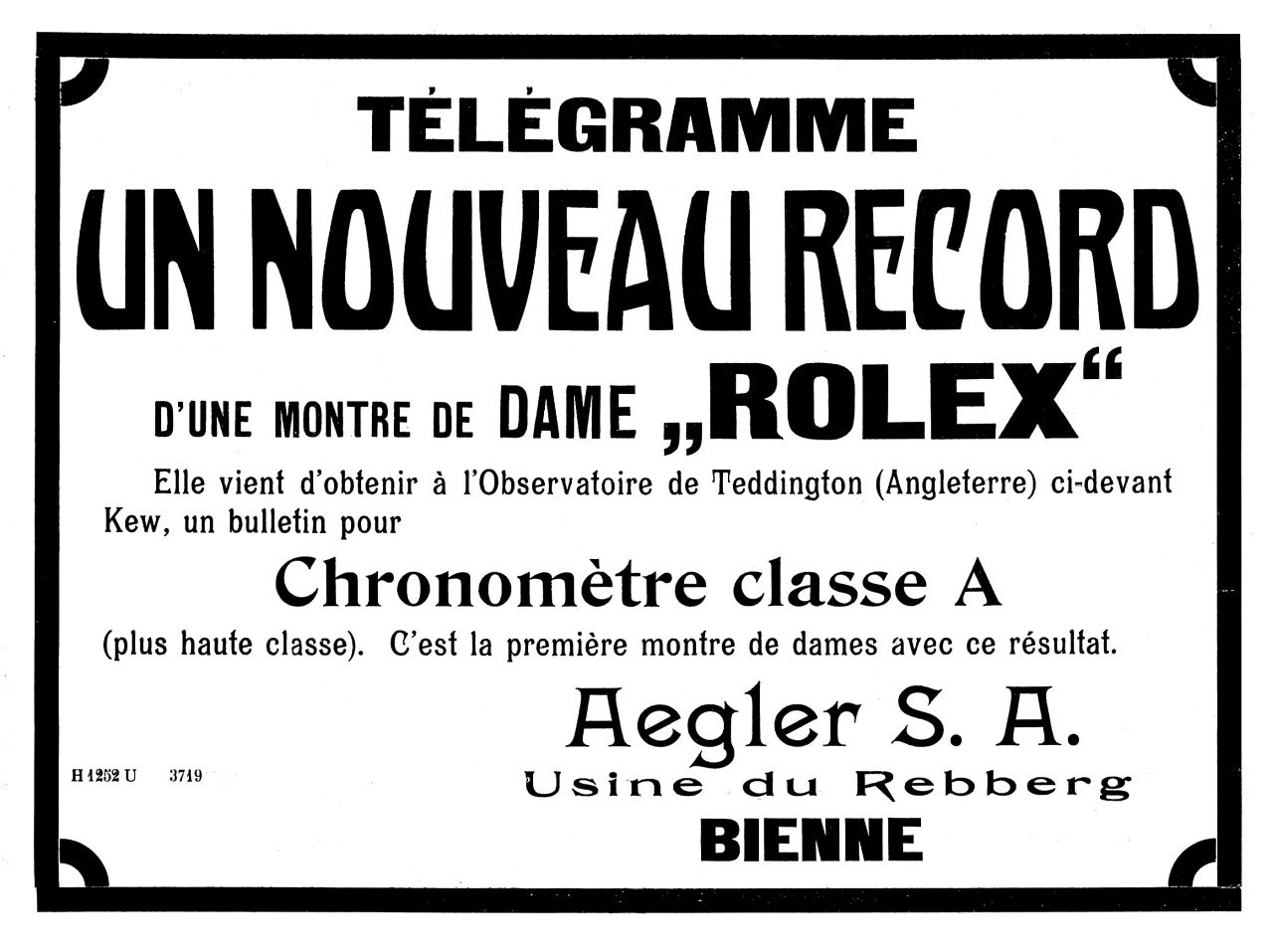
Historian’s noteRolex describes the 1910 watch as the first wristwatch to receive the Swiss Certificate of Chronometric Precision, and says the Kew certificate had until then been reserved for marine chronometers. The researcher David Boettcher, working from the original documents, notes that the 1910 advertisement speaks of a montre, not a montre-bracelet, tested in pocket-watch positions, and that Kew had tested watches since 1884. The 1914 Kew A certificate for a wristwatch stands, with 77.3 marks; it was not the highest score that year.
1912The Swiss rating offices are renamed bureaux officiels de contrôle de la marche des montres, to stop their certificates being confused with the observatory bulletins. Kew’s trials move to the National Physical Laboratory at Teddington the same year, still called Kew certificates, and run until 1951.
The materials that made it possible
1896The enemy of a steady rate was temperature: a steel balance spring goes slack when warm, so a watch right at 8 °C lost seconds at 38 °C. Charles-Édouard Guillaume’s nickel-steel alloy Invar, and then Elinvar, whose elasticity hardly changes with heat, brought the rate variation of marine chronometers down to tenths of a second a day.
1920Guillaume receives the Nobel Prize in Physics, the only Nobel ever given for work tied to watchmaking.
1930sReinhard Straumann’s Nivarox alloy puts the same idea into every good wristwatch spring.
2001Ulysse Nardin’s Freak introduces silicon parts, which neither rust nor magnetise; Patek Philippe, Rolex and the Swatch Group follow with silicon springs of their own.
2013Omega’s Aqua Terra, resistant to more than 15,000 gauss, shows a watch can ignore magnets as well as heat.
The year the contest ended
1967Seiko, which entered Neuchâtel in the 1960s, places fourth among 62 movements that qualified as chronometers; Omega is first, and the best score ever recorded there belongs to a 30 mm Omega of this year. It is the last Neuchâtel competition for wristwatches.
1968At Geneva the first three places go to the Beta 21, a quartz movement. In May Neuchâtel cancels its wristwatch category for good: a mechanical watch could no longer win, so the contest stops.
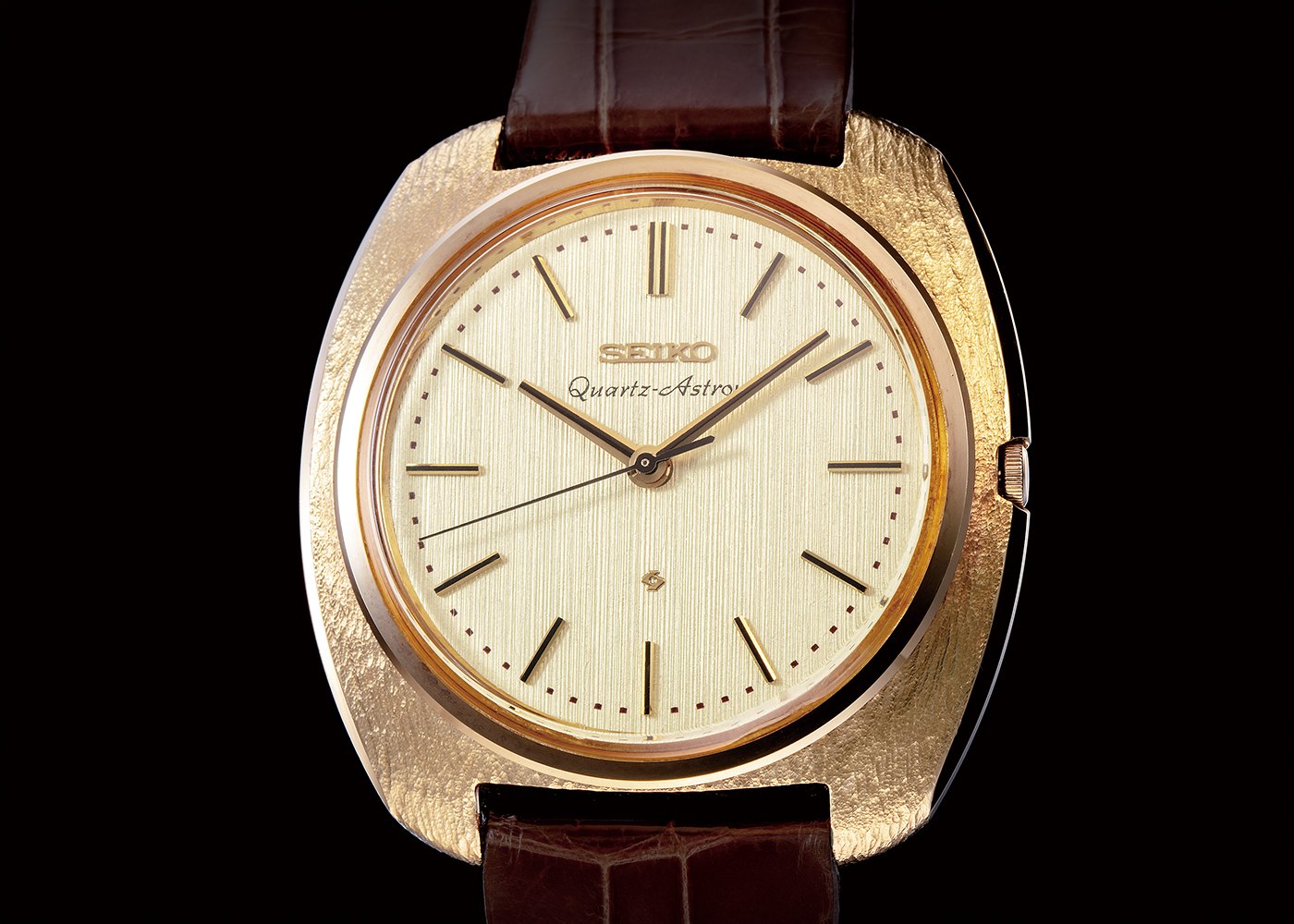
1969Seiko’s Astron, the first quartz wristwatch, goes on sale on Christmas Day.
1973The Swiss industry merges its rating offices into one body, the COSC, and chronometer becomes a word you may only print on a dial with a certificate behind it: a mean rate of −4 / +6 seconds per day.
The standards on the dial today
The brands at the top of the market have since set stricter tests of their own. Here is what each one actually means.
Contrôle Officiel Suisse des Chronomètres, Switzerland
The uncased movement is tested for 15 days in five positions at 8, 23 and 38 °C against seven criteria. More than a million certificates a year, about 6% of Swiss production; roughly 3.5 to 5% of movements fail.
Mean rate −4 / +6 s a day
Rolex
Every movement first passes COSC, then the finished, cased watch is tested again in Rolex’s own laboratories. The green seal and the words “Superlative Chronometer Officially Certified” date from the late 1950s.
−2 / +2 s a day, cased
METAS, the Swiss federal institute of metrology, for Omega, Tudor and others
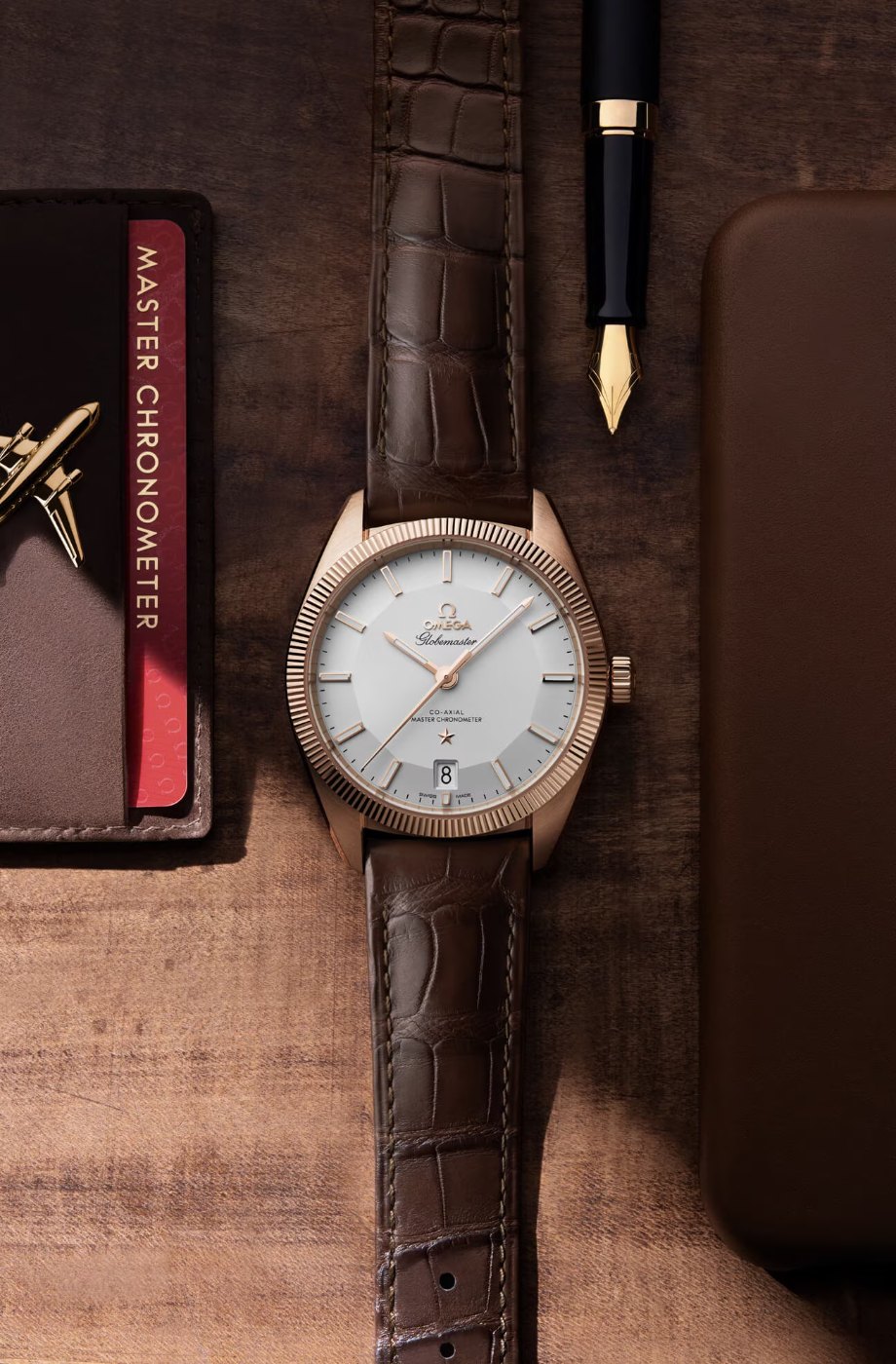
Eight tests on the cased watch, including precision before and after a 15,000 gauss magnet, rate in six positions at full and low power reserve, and water resistance. Introduced with the Omega Globemaster; Tudor joined in 2021.
0 / +5 s a day, cased
Grand Seiko
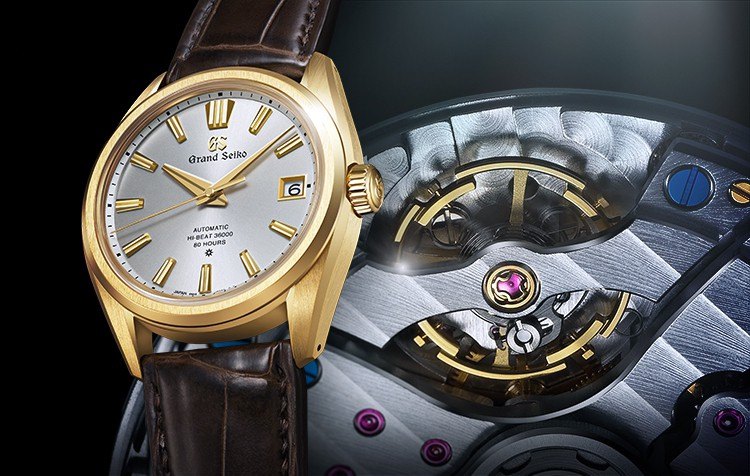
Each mechanical movement is adjusted for 17 days in six positions at three temperatures, two more days and one more position than COSC. A Special standard is tighter. In 1969 the V.F.A. (Very Fine Adjusted) models promised a minute a month.
−3 / +5 s a day; Special −2 / +4
Patek Philippe
The whole watch is tested, not the bare movement, and the seal also covers finishing, service and the rest of the watch. Tourbillons are held to −2 / +1.
−3 / +2 s a day
Canton of Geneva, now run by Timelab
Originally a hallmark of finishing for movements made in Geneva. Since the 2011 reform it covers the complete watch and includes a seven-day accuracy test and checks of water resistance and power reserve.
Within a minute over seven days
Fleurier foundation (Chopard, Parmigiani, Bovet, Vaucher)
A COSC certificate is the entry ticket. The cased watch is then run on the Fleuritest, a machine that mimics 24 hours of wear, and the movement must pass the Chronofiable ageing test.
0 / +5 s a day on the Fleuritest
German chronometer testing office at the old Glashütte observatory, run by Wempe, under DIN 8319
The German counterpart of COSC, with one difference: the finished, cased watch is tested, as it will reach the customer, for 15 days in five positions at 8 to 38 °C and about 60% humidity.
Mean rate −4 / +6 s a day, cased
How accurate can a mechanical watch be?
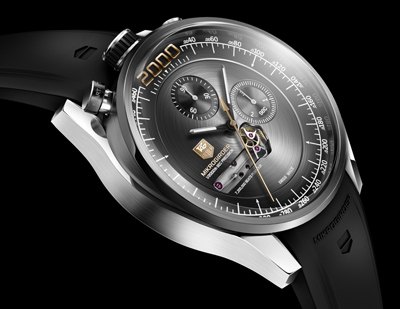
2009–2015An international chronometry contest, run by COSC, the Besançon Observatory and the engineering school in Le Locle, is won in its classic category by Jaeger-LeCoultre and then three times running by Tissot: precision has never been only a matter of price.
2012TAG Heuer’s Mikrogirder runs at 1,000 Hz, but as a chronograph regulator for timing to 5/10,000 of a second, not as a timekeeper.
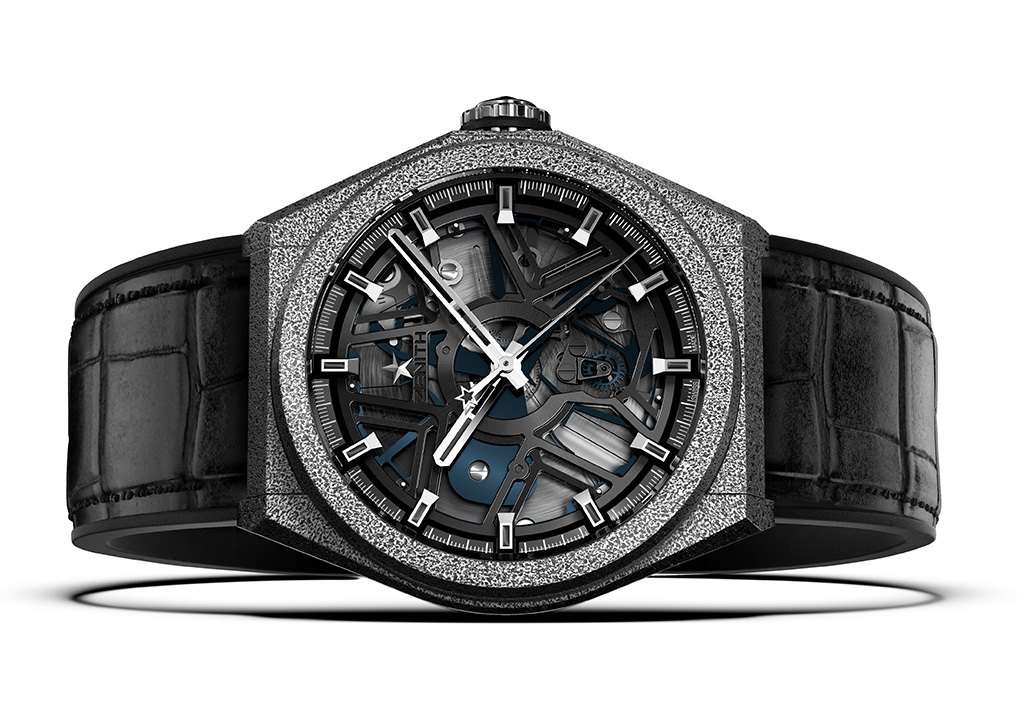
2017Zenith’s Defy Lab replaces the balance and spring with a single silicon oscillator beating at 15 Hz and claims a mean rate within 0.3 seconds a day, certified as a chronometer by the Besançon Observatory. Ten are made; the promised production version never comes.
2019Citizen’s Caliber 0100, a quartz movement, is rated at one second a year. For scale, an ordinary quartz watch drifts about 15 seconds a month and a Grand Seiko 9F about ten seconds a year. No mechanical watch comes close, and none needs to: the point of the mechanical chronometer was never to beat the crystal, but to be as good as a balance wheel can be made.
Historian’s noteThe thesis of this page, that the watchmakers whose names survive were chasing accuracy, holds from Huygens to the observatory era. By 1912 the Swiss rating offices had to be renamed to stop their certificates being confused with observatory bulletins, which tells you the certificate had already become a selling tool as much as a measurement. Figures above are those published by the bodies themselves or by named researchers; where a brand’s claim and the record differ, both are given.
SourcesRoyal Museums Greenwich · Antiquarian Horological Society · Royal Collection Trust · Boettcher, Kew trials · Boettcher, Aegler · Phillips, Guillaume · SJX, Neuchâtel · COSC · FH, Rolex · Omega / METAS · Grand Seiko · FH, Patek Philippe Seal · WatchTime, Glashütte · FH, Zenith Defy Lab · Rolex