Legends of Horology
The people who made the watch.
Fourteen lives, in the order they were born: from the man who built the first self-winding watch to the engineer who dropped a watch from a window until it survived. Each page says who they were, what they changed, and where to find it on the timeline.
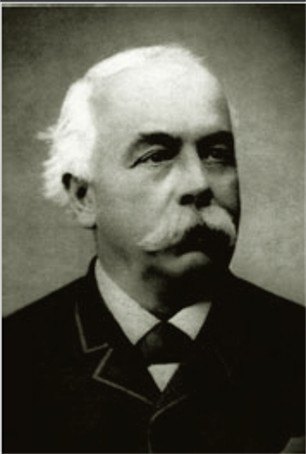
1840–1892Édouard HeuerSaint-Imier from 1860; Bienne from the later 1860sPatented the oscillating pinion in 1887, and chronographs have started and stopped with it ever since.
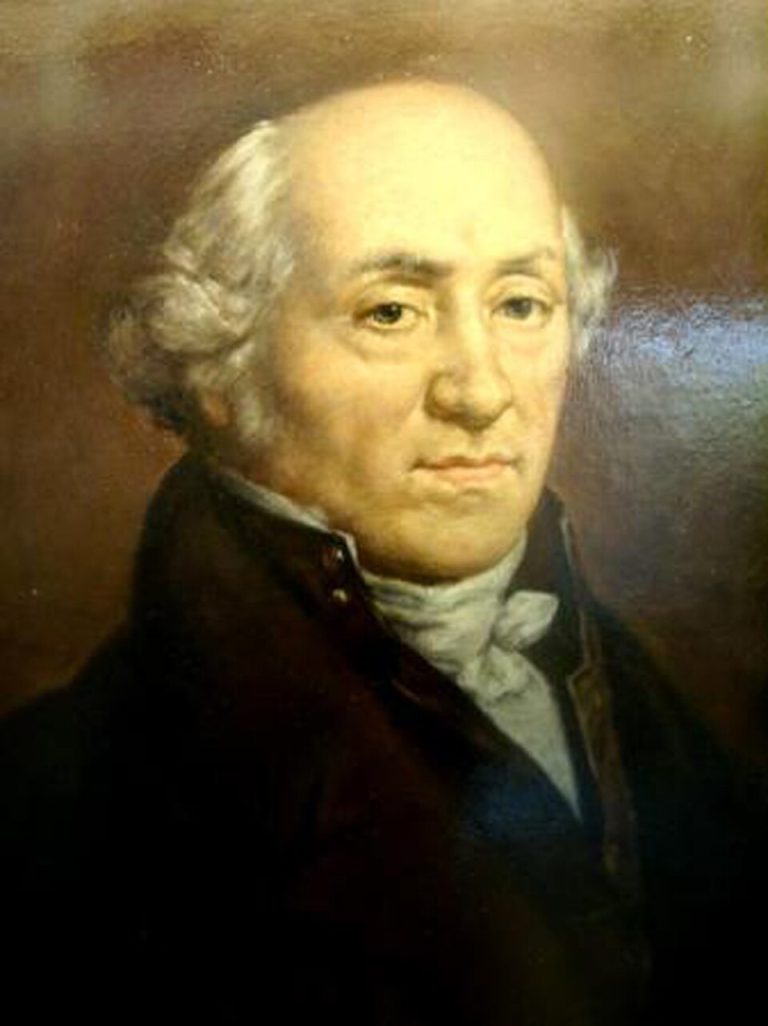
1747–1823Abraham-Louis BreguetVersailles and Paris from 1762; 51 quai de l’Horloge from 1775; Switzerland in exile, 1793–95The tourbillon, the gong spring, the pare-chute: the watchmaker every other watchmaker measures against.
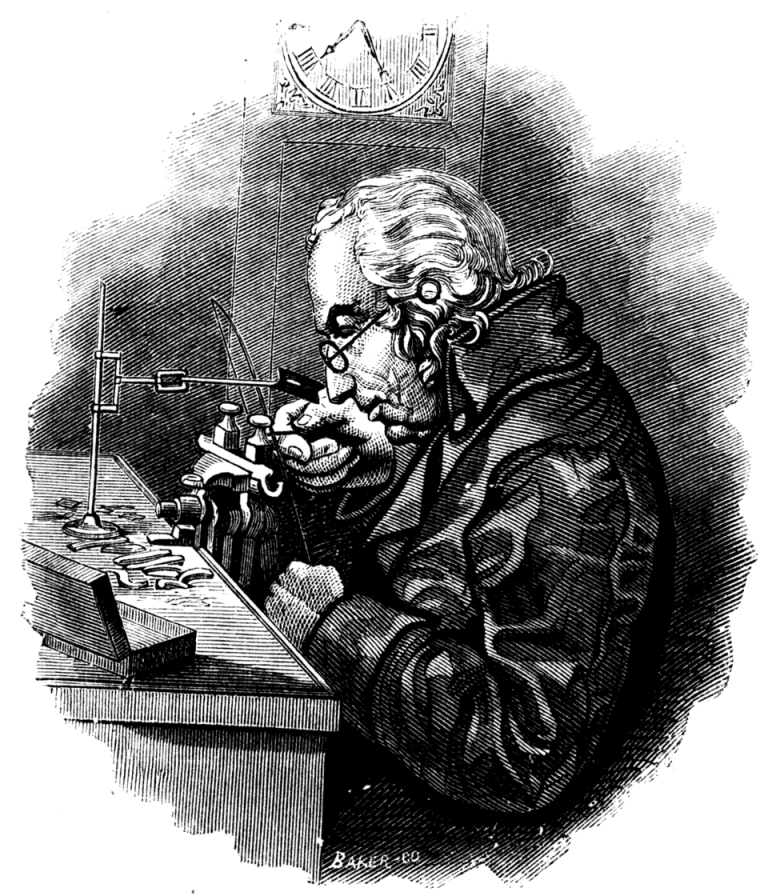
1729–1826Abraham-Louis PerreletLe Locle, all his lifeBuilt the first self-winding watch, in the Le Locle workshop he never left.

1803–1881Antoine LeCoultreLe Sentier; the family forge, then the workshop he opened in 1833Measured the thousandth of a millimetre, and founded the manufacture that bears his name.
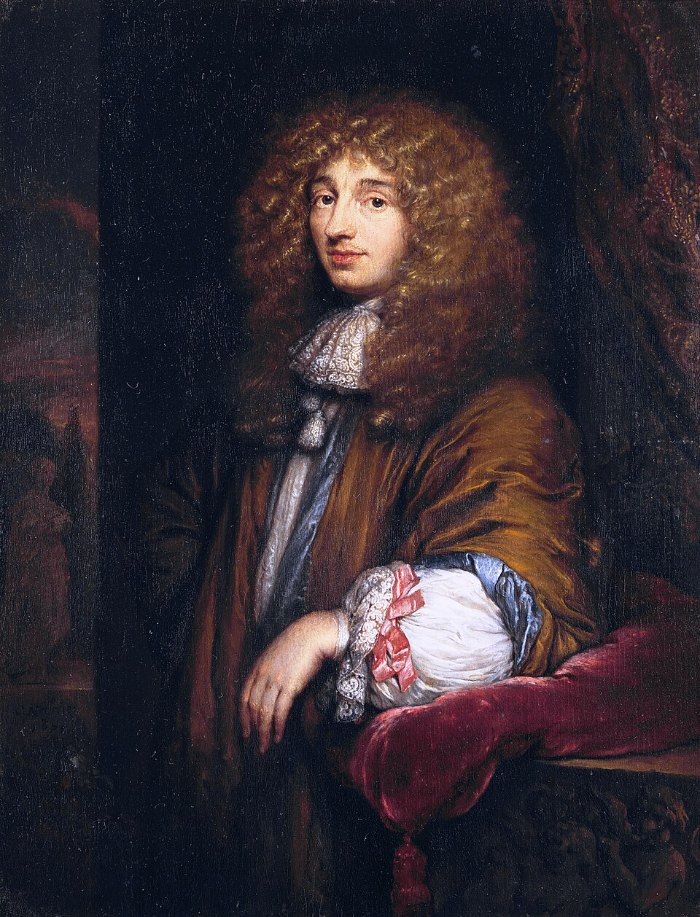
1629–1695Christiaan HuygensThe Hague; Paris, at the Académie Royale des Sciences, 1666–81; Hofwijck, VoorburgGave the clock its pendulum and the watch its balance spring, and wrote the mathematics for both.
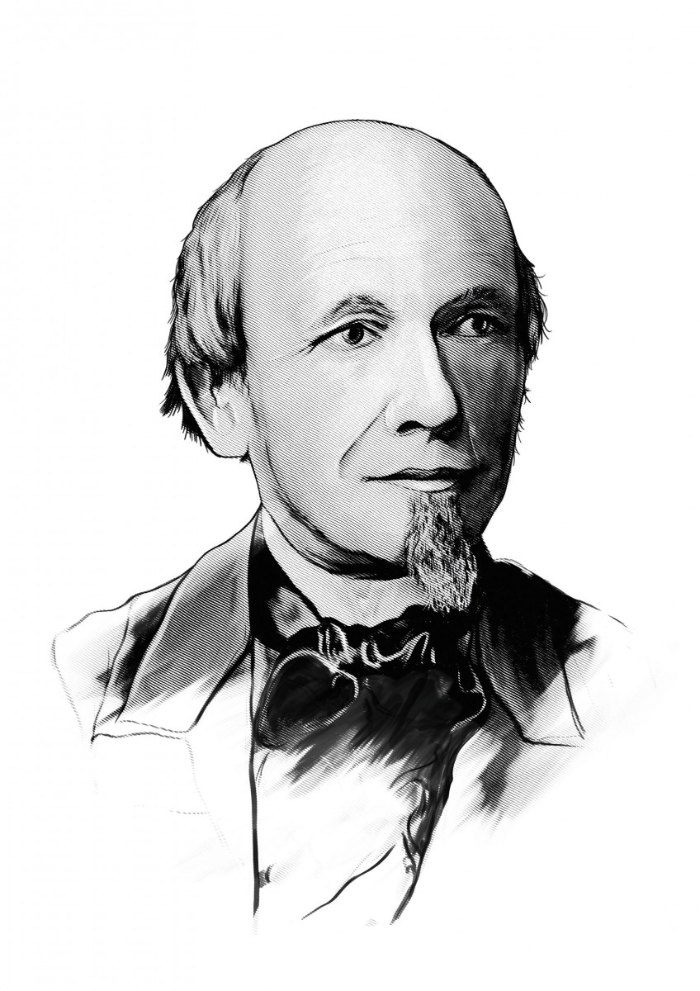
1815–1875Ferdinand Adolph LangeDresden, with Gutkaes, 1830–37 and 1841–45; Paris, with Winnerl, from 1837; Glashütte from 7 December 1845Took fifteen apprentices into a mining town in 1845 and made it Germany’s watchmaking capital.
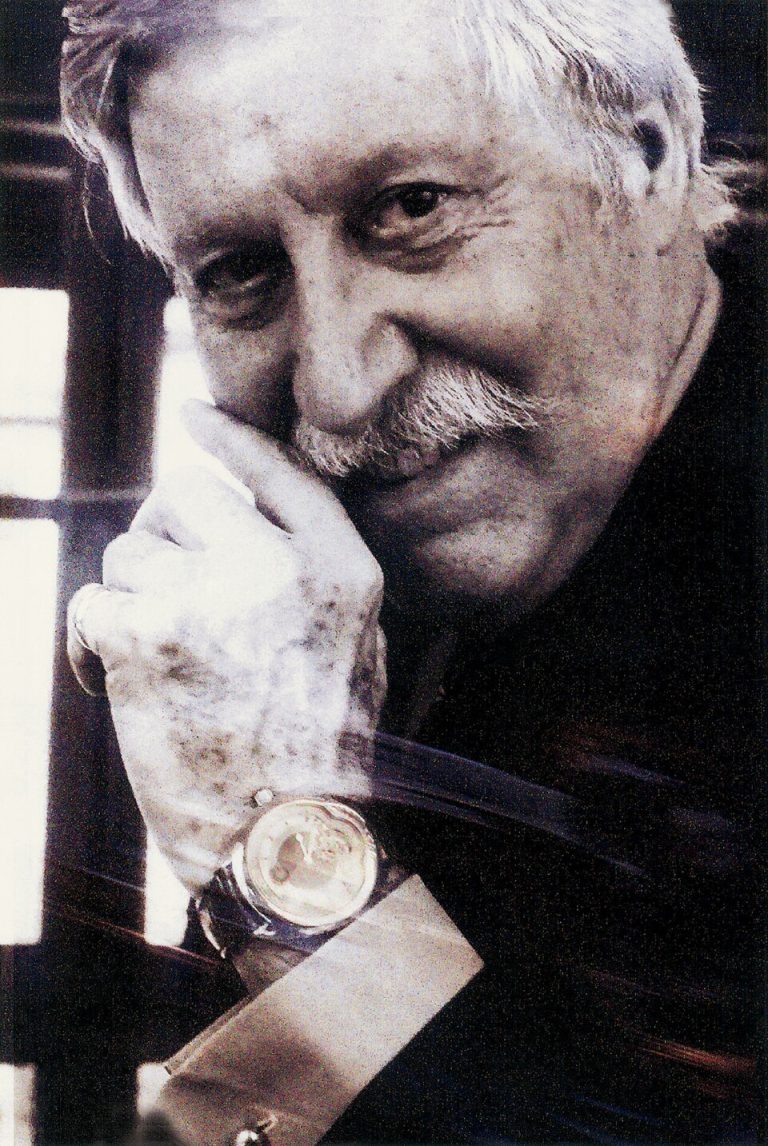
1931–2011Gérald GentaGeneva, as an independent designer; his own brand from 1969Drew the Royal Oak in a night and the Nautilus on a napkin, and gave the luxury watch its steel.
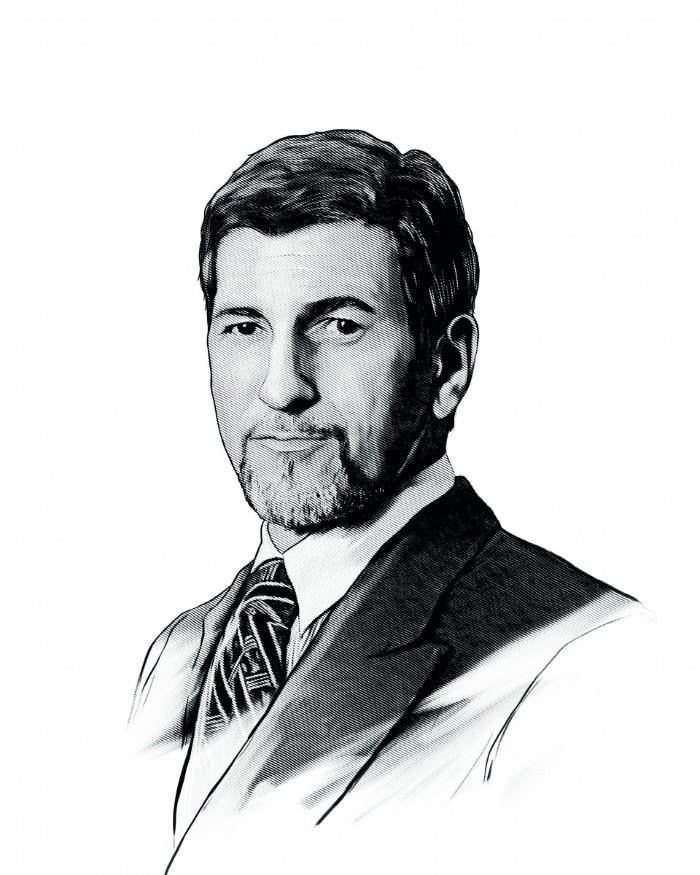
1943–2001Günter BlümleinJunghans, 1968–80; IWC, Schaffhausen, from about 1980; Jaeger-LeCoultre from 1984; Glashütte from 1990The engineer-manager who rebuilt IWC, Jaeger-LeCoultre and Lange, and put his name on the big-date patent.
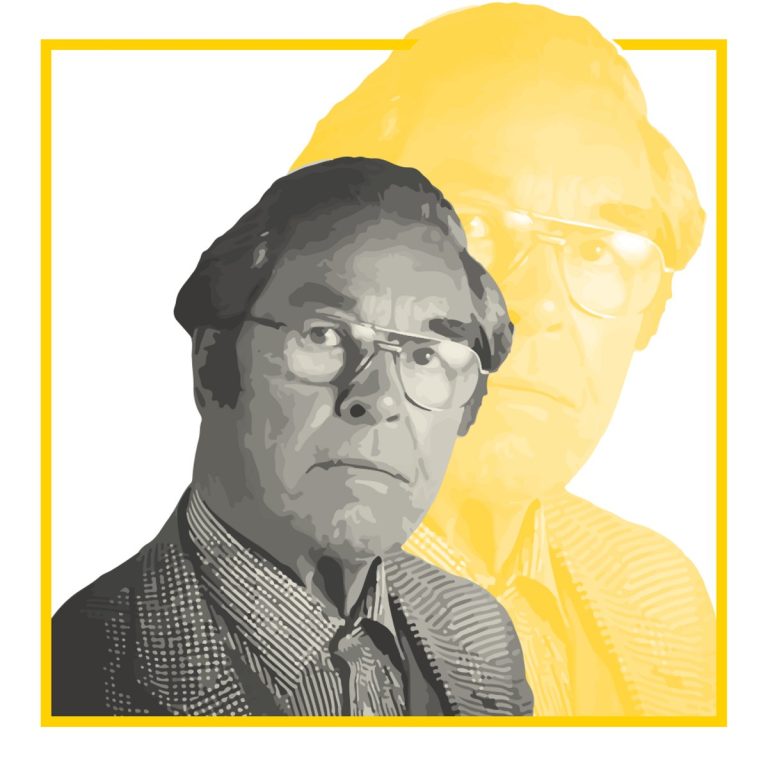
1926–2011George DanielsLondon, then the Isle of Man from 1982Made every part of his watches with his own hands, and invented the first new escapement in two centuries.
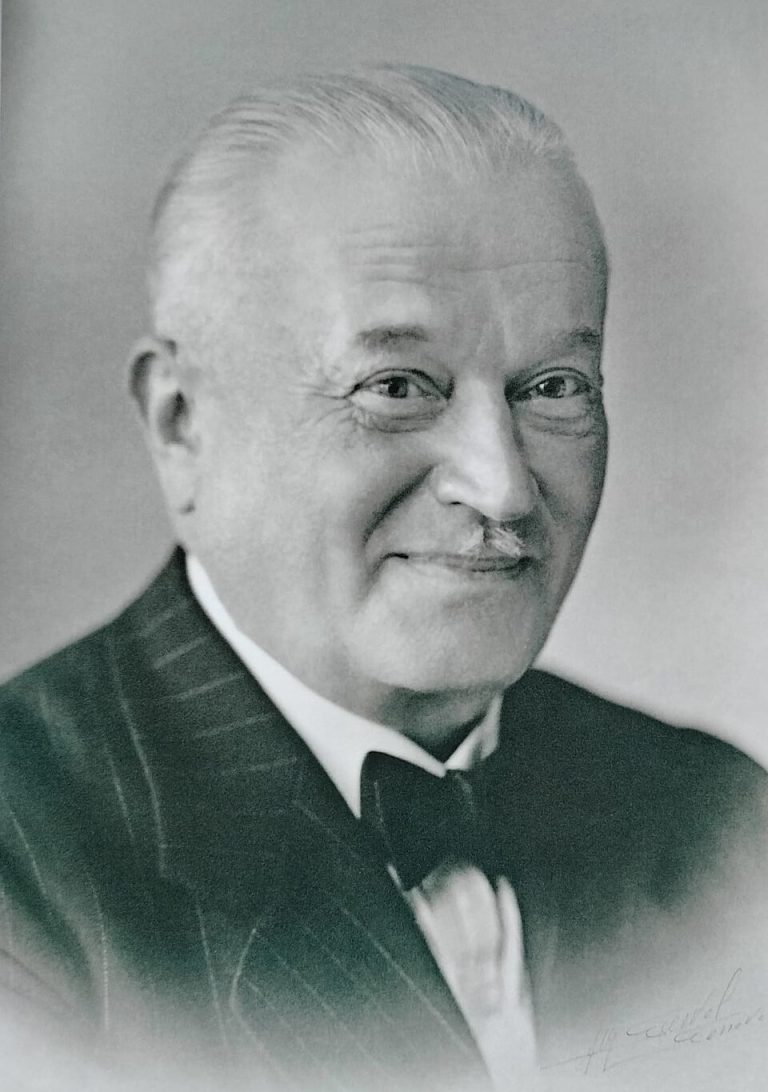
1881–1960Hans WilsdorfLa Chaux-de-Fonds, London (Wilsdorf & Davis, 1905), Geneva from 1919Founded Rolex, and made the wristwatch respectable with a certificate and a sealed case.
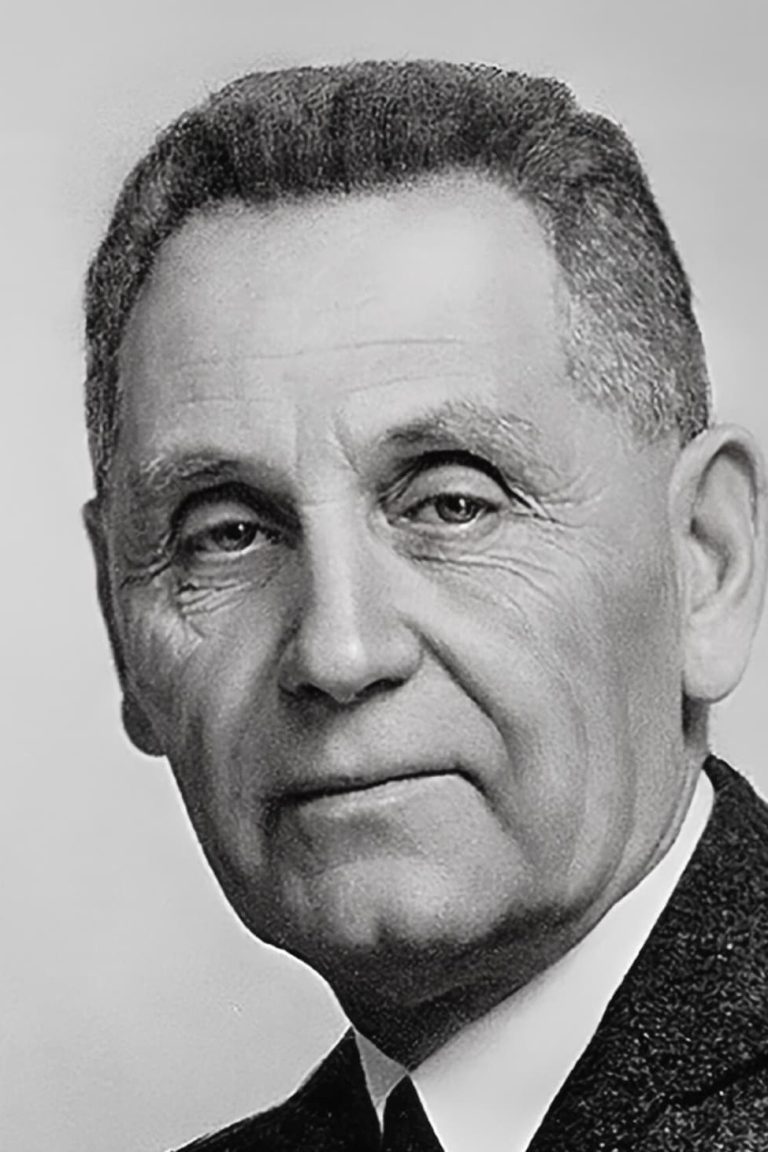
1875–1948Jacques-David LeCoultreLeCoultre & Cie, Le Sentier, from 1897; director from 1906; Geneva finishing workshop from 1903Ran his grandfather’s manufacture for forty years and gave it Jaeger, the Reverso and the Atmos.
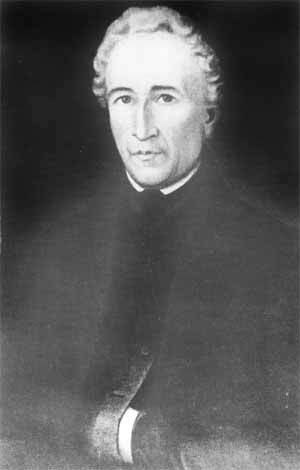
1720–1814Jean-Antoine LépineParis from 1744: with André-Charles Caron, then his own workshop, horloger du roi from the 1760sThrew away the top plate and the fusee, and made the watch thin.
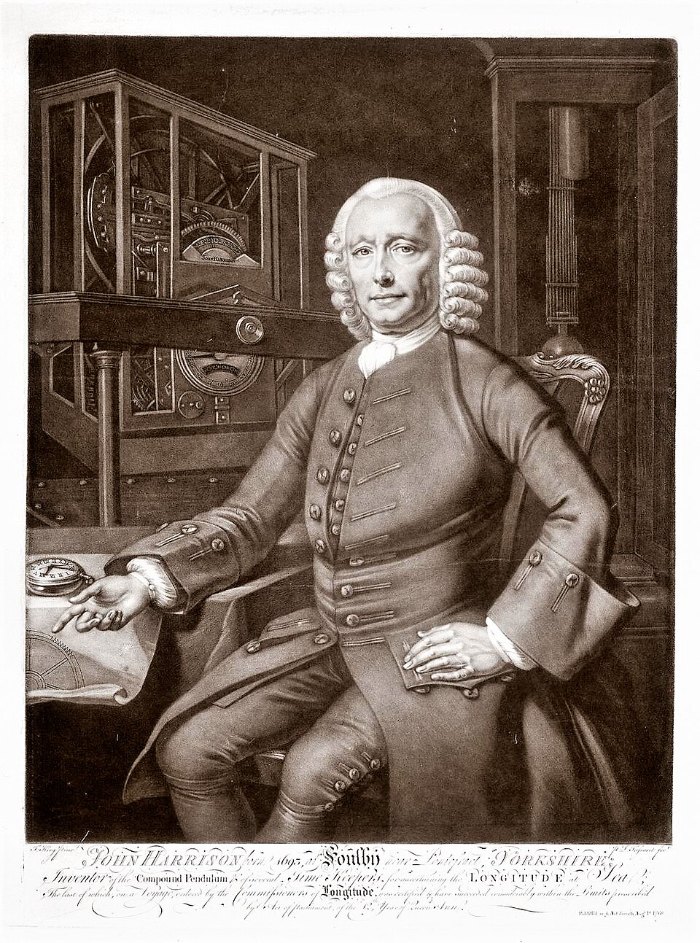
1693–1776John HarrisonBarrow-upon-Humber, Lincolnshire, until 1735; London, Red Lion Square, thereafterA joiner from Lincolnshire who built the watch that found longitude at sea.
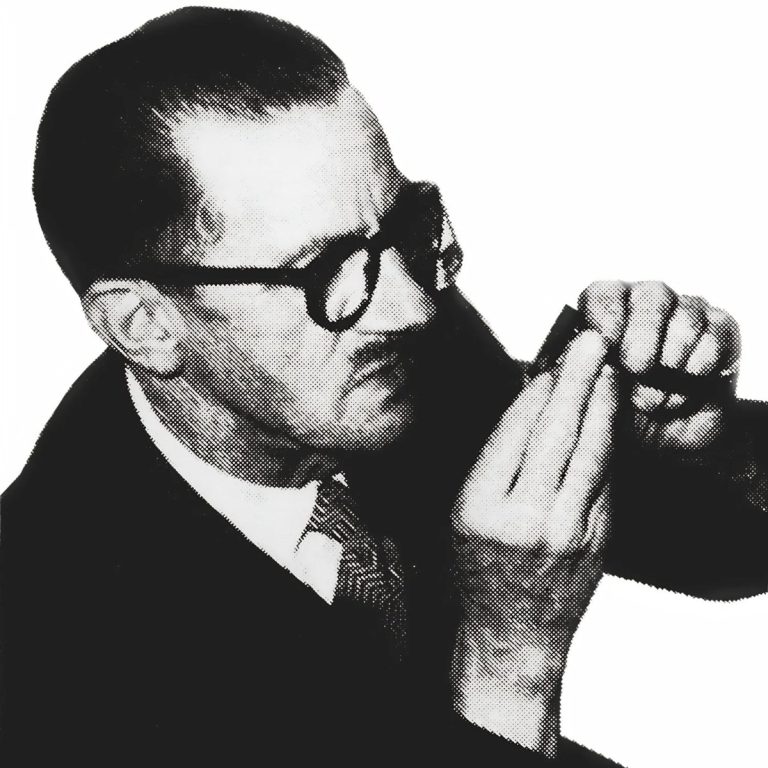
1893–1964John HarwoodBolton and Oldham; the Isle of Man; Grenchen, Switzerland, 1925–31; LondonA Bolton watch repairer who made the wristwatch wind itself, and lost the company in the slump.

b. 1952Kikuo IbeCasio, Tokyo, since 1976Dropped two hundred prototypes from a window until one survived, and made the toughest watch in the world.
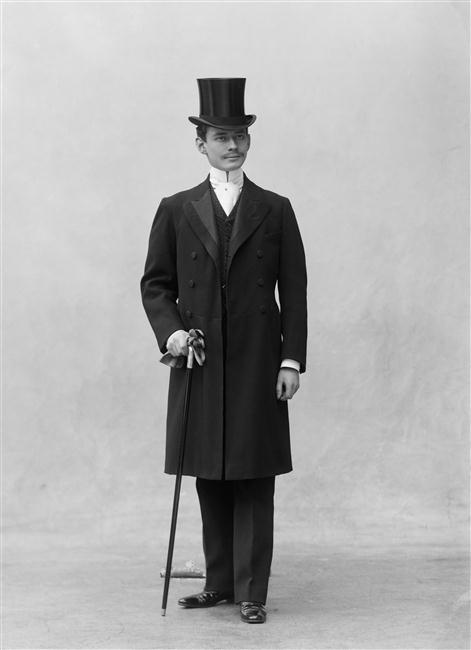
1875–1942Louis CartierCartier, 13 rue de la Paix, Paris, from 1899; New York from 1909Designed the Santos for a pilot in 1904: the first men’s wristwatch made for a purpose.
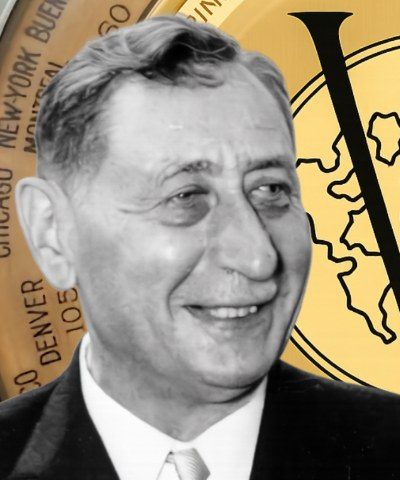
1894–1966Louis CottierGeneva factories until 1931, then his own workshop in CarougeWorked alone in a back room in Carouge, and gave the world-time watch its rotating ring of cities.
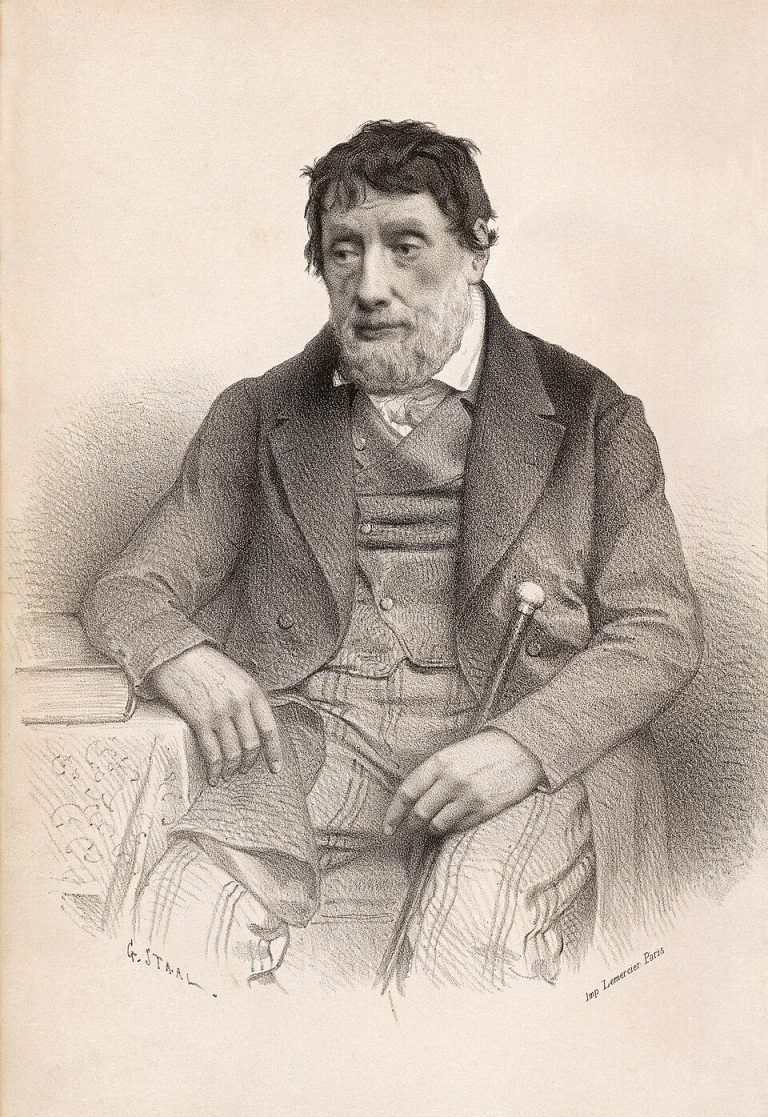
1768–1853Louis MoinetBourges, Rome, Florence, then Paris from 1794Made the first chronograph in 1816, to time the planets, and was forgotten for two hundred years.
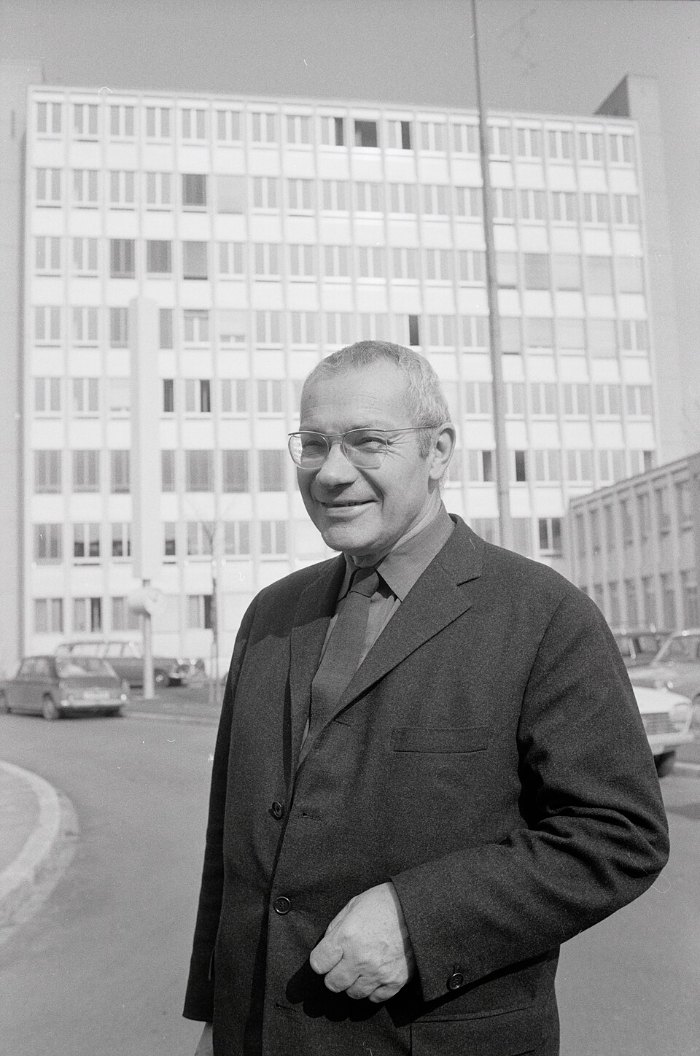
1908–1994Max BillBauhaus, Dessau, 1927–29; Zürich from 1929; Hochschule für Gestaltung, Ulm, 1951–57A sculptor and Bauhaus student who drew the clearest watch dial of the twentieth century.
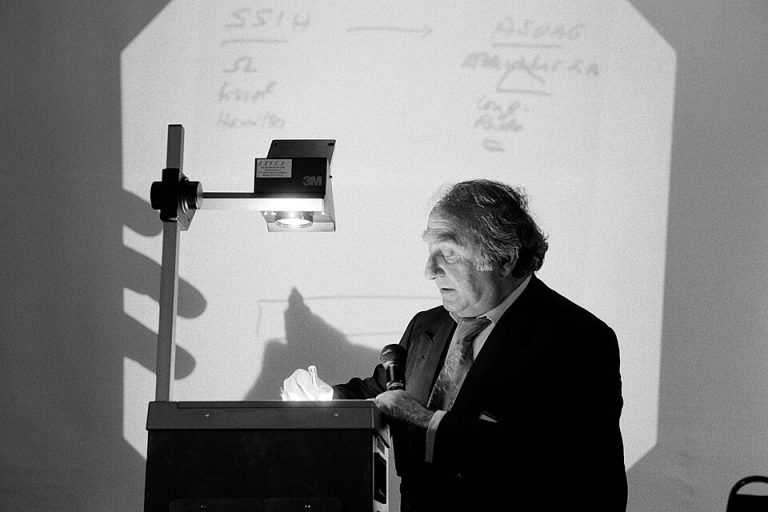
1928–2010Nicolas G. HayekHayek Engineering, Zurich, from 1963; SMH, later the Swatch Group, Biel, from 1983Merged two failing giants, backed a plastic watch, and saved the Swiss watch industry from quartz.
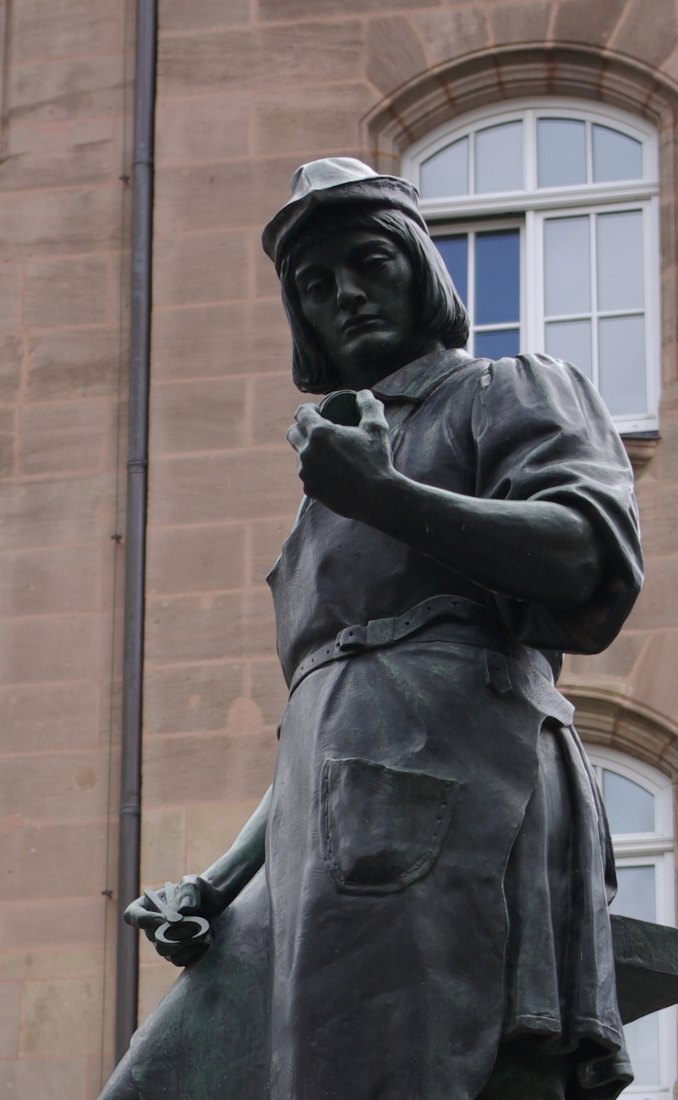
c. 1485–1542Peter HenleinNuremberg, as a master locksmith from 1509The Nuremberg locksmith remembered as the maker of the first pocket watch.
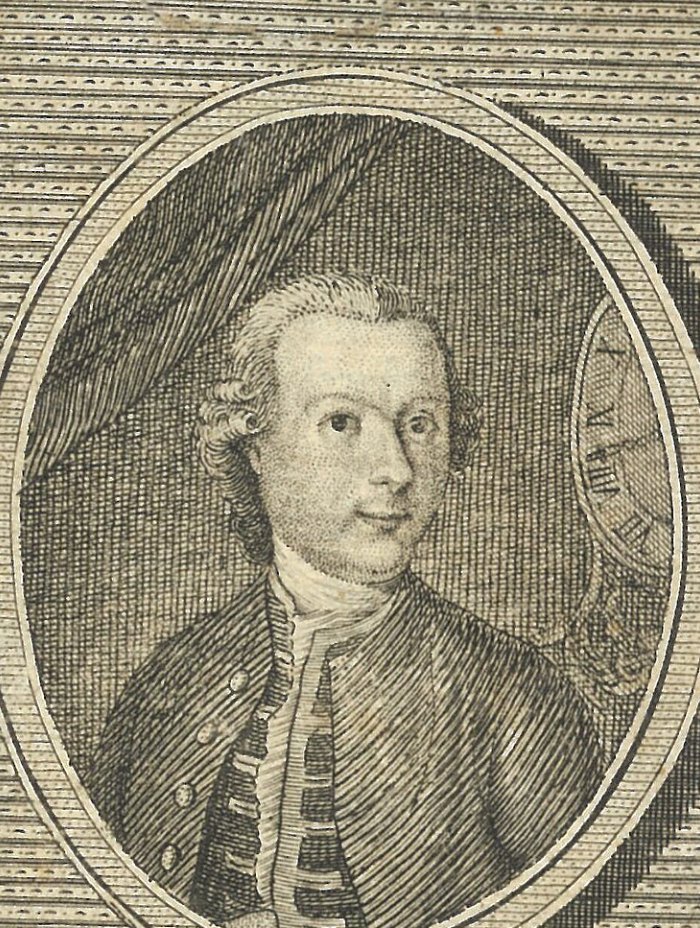
1721–1790Pierre Jaquet-DrozLa Chaux-de-Fonds from about 1740; Madrid in 1758; London from 1774 and Geneva from 1784 through his son Henri-Louis and Jean-Frédéric LeschotBuilt three mechanical children that write, draw and play, and are still working in Neuchâtel.
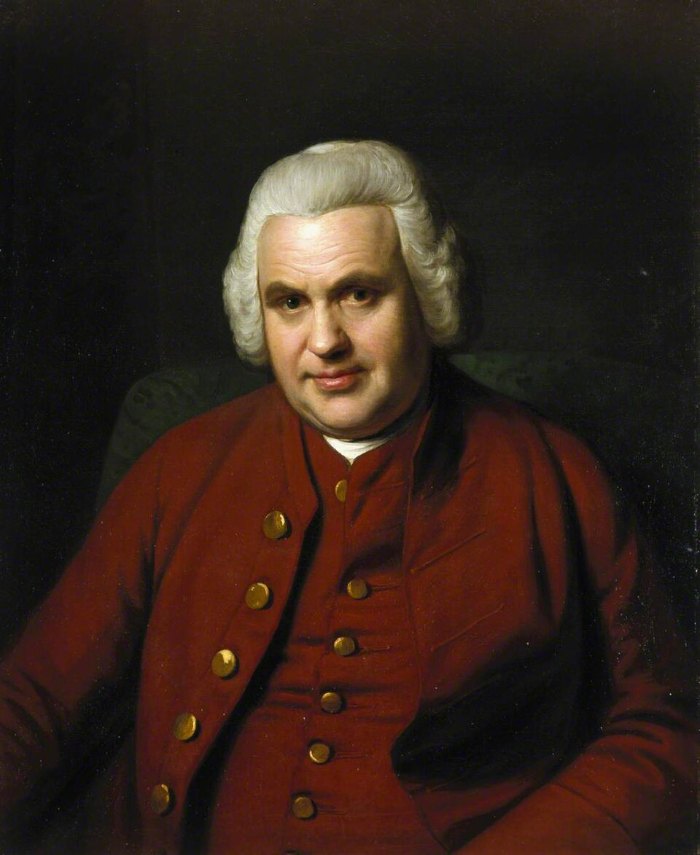
c. 1715–1794Thomas MudgeLondon, Fleet Street, apprenticed to George Graham from 1731 and in his own shop from 1748; Plymouth from 1771Invented the lever escapement, the one that ticks in almost every mechanical watch made since.
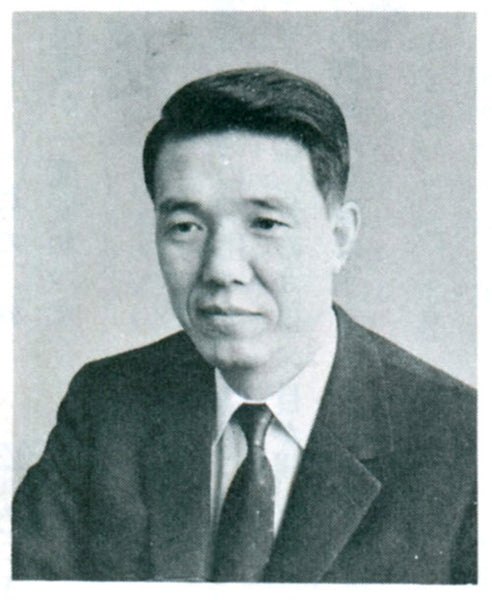
1923–2018Tsuneya NakamuraSuwa Seikosha (now Seiko Epson), Nagano, from 1945; president 1987–91Led the Seiko team that put the first quartz watch on a wrist, on Christmas Day 1969.
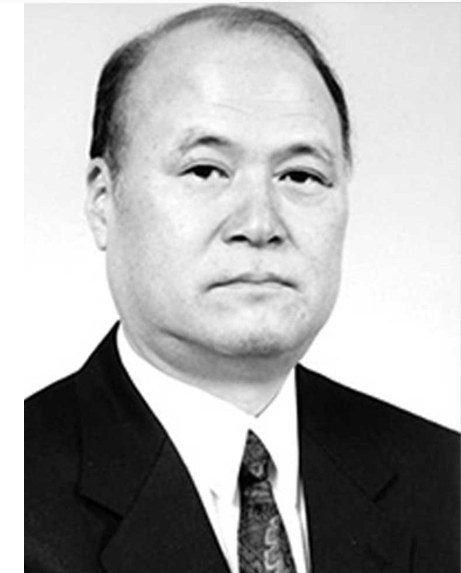
d. 1998Yoshikazu AkahaneSuwa Seikosha and Seiko Epson, Shiojiri, NaganoSpent twenty years and six hundred prototypes on a watch that is wound like a mechanical one and keeps time like quartz.