
Timeline / Keyless winding
Keyless winding
Adrien Philippe’s sliding pinion let one crown both wind the watch and set its hands, and did away with the watch key.
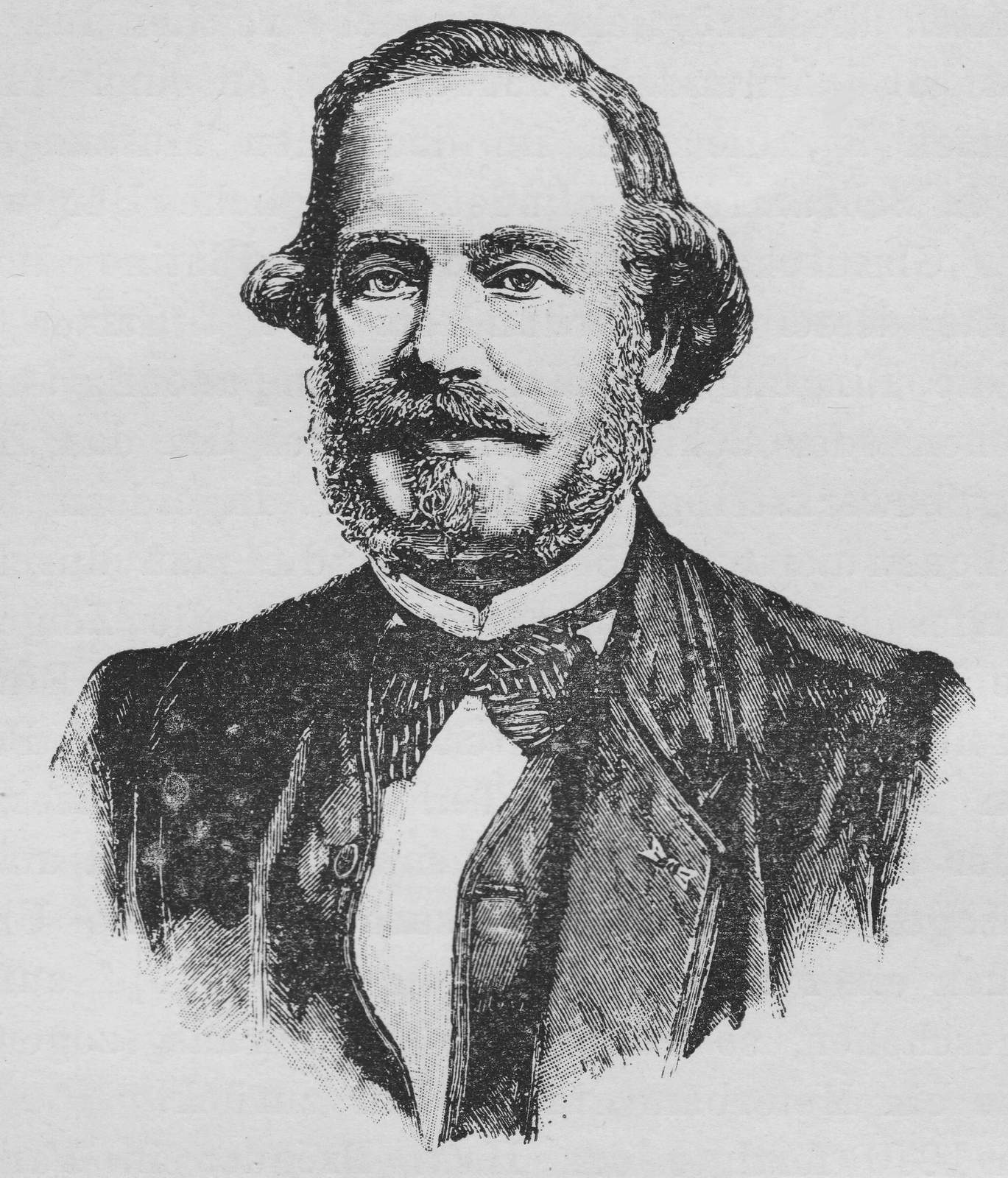

- The need
- Watches were wound and set with a separate key. Keys were lost, dials were scratched, and every winding opened the case to dust.
- Made by
- Jean-Adrien Philippe, a French watchmaker. He showed it at the Paris Industrial Exposition of 1844, where it won a bronze medal, and patented it in 1845.
- What was new
- A sliding pinion behind the crown. Pushed in, the crown winds the mainspring; pulled out, it turns the hands.
- Worth knowing
- The exhibition brought Philippe to the notice of Antoine Norbert de Patek, and he joined Patek’s firm the following year: the origin of Patek Philippe. The same arrangement is in practically every mechanical watch made since. Closing the case this way is what later made dust-proof and waterproof watches possible.
- Where it is now
- The principle, not an object, is the milestone.
Historian’s notePopular accounts give 1842 and credit Philippe alone. Thomas Prest patented winding through the pendant in London in 1820, Louis Audemars worked on a Swiss system from 1838, and Adolphe Nicole patented keyless work in 1844. Philippe’s contribution was combining winding and hand-setting in one control that worked.
SourcesPatek Philippe Museum · Patek Philippe
Suggest a correction
Thank you. Your note has reached the editor.