Beginnings
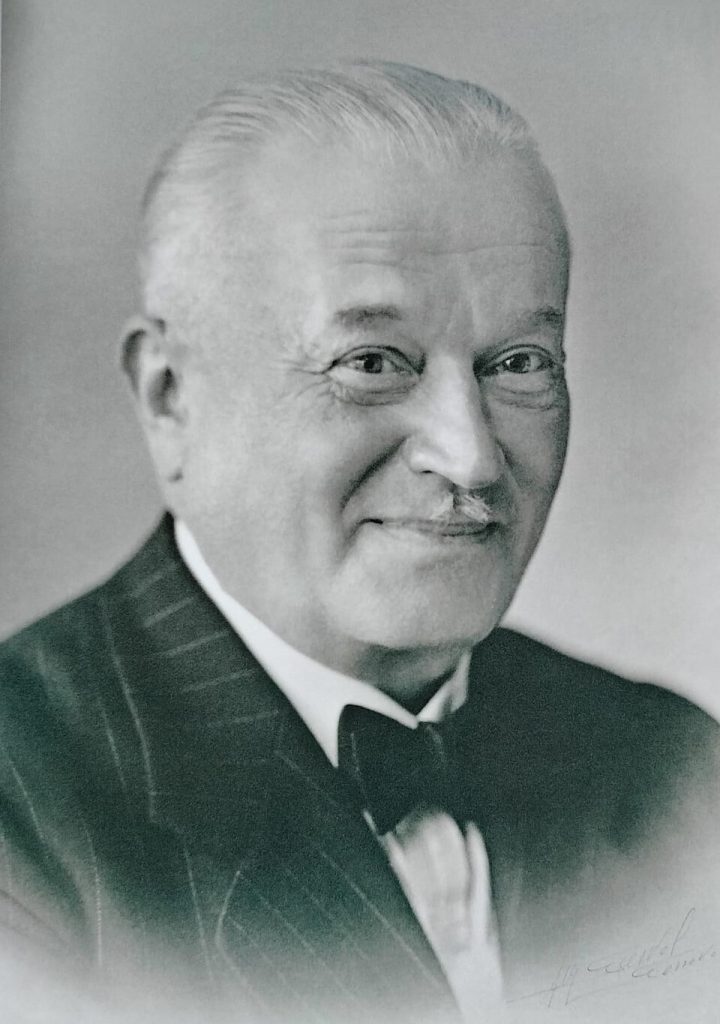
1881Wilsdorf was born in Kulmbach in 1881 and orphaned at twelve.
He learned languages at school in Coburg and went to work for a pearl exporter in Geneva.
1900Then in 1900 he joined the watch exporter Cuno Korten in La Chaux-de-Fonds as English correspondent.
1903In 1903 he moved to London.
1905On 22 June 1905, with his brother-in-law Alfred Davis, he founded Wilsdorf & Davis at 83 Hatton Garden. It imported Swiss movements from Aegler of Biel and cased them for the British market.
What he changed
The Rolex nameHe registered the name Rolex in 1908 and spent the next fifty years making it mean something.
Certified precisionIn 1910 a Rolex wristwatch received the Swiss certificate of chronometric precision from the official rating centre in Bienne, which Rolex calls a world first. In 1914 the Kew Observatory gave a Rolex wristwatch a Class A certificate, at a time when the serious watch was still a pocket watch.
OysterIn 1926 he bought the patent of Perregaux and Peret for a screw-down crown and case and called it the Oyster.
Daily Mail publicityIn 1927 he put one on the wrist of the swimmer Mercedes Gleitze and the story on the front page of the Daily Mail.
Perpetual rotorIn 1931 Rolex patented the Perpetual rotor.
DatejustIn 1945 the Datejust arrived.
Wilsdorf FoundationIn 1945, the year after his wife died, he put all his shares into the Hans Wilsdorf Foundation, which owns Rolex to this day.
Why it matters now
Not a watchmakerWilsdorf was not a watchmaker. Aegler made the movements.
Certified, sealedWhat he invented was the idea that a wristwatch should be certified, sealed and advertised, and the whole modern industry sells watches his way.
Worth knowingHe said the name Rolex came to him on the top deck of a horse-drawn omnibus in Cheapside, whispered by a genie. The company still tells the story.
Historian’s noteRolex says the 1910 watch was the first wristwatch to receive a Swiss chronometer certificate. This site uses Rolex’s wording. The rotor Rolex patented in 1931 followed Harwood’s automatic of 1924, as Rolex itself acknowledged in print in 1956.
SourcesRolex · Rolex, 1926–1945 · Historisches Lexikon der Schweiz, Rolex