
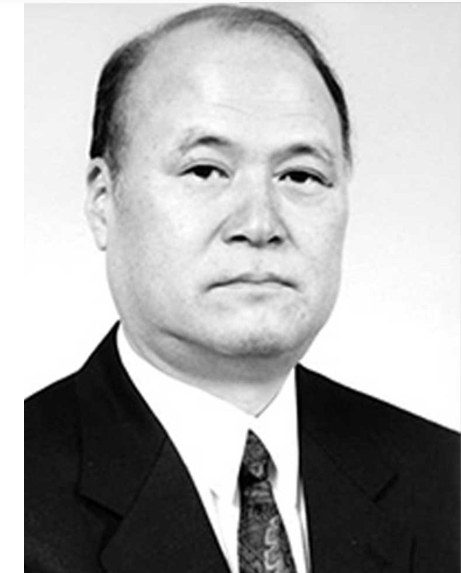
Beginnings
Akahane was an engineer at Suwa Seikosha in Shiojiri, in the Nagano mountains, in the years after the Astron, when the company that had made the first quartz watch was asking what came next. He worked on the Twin Quartz movements of the late 1970s, and in 1977, by the company’s account, wrote down an idea for a watch that would be driven by a mainspring, like a mechanical watch, but regulated by a quartz crystal, so that it would never need a battery and never lose more than a second a day.
What he changed
He filed a patent for an electronically regulated spring-driven watch in 1978 and then pursued the idea for twenty years, through cancellations and restarts, as some 600 prototypes were made; the difficulty was generating enough electricity from the mainspring to run the quartz circuit. By 1997 he was head of the watch division, and he signed the project through to production. He died in August 1998. Spring Drive went on sale in December 1999 and reached Grand Seiko in 2004.
Why it matters now
Spring Drive is the only new way of regulating a watch to reach production since quartz itself, and its gliding seconds hand is the one thing on a watch that nobody else can make. Grand Seiko built its modern reputation on it.
Worth knowingAfter his death his colleagues found a finished prototype in his desk drawer; he had kept it, the company says, to make sure the idea could not be cancelled again.
Historian’s noteAlmost everything known about Akahane comes from Seiko’s own telling, and his birth date has never been published. The patent and the launch dates are documented; the 1977 idea and the number of prototypes are the company’s account.
SourcesGrand Seiko, Dream 9 Stories · Seiko Museum Ginza · Pen Online