
Seiko
- Group
- Seiko Group.
- Headquarters
- Ginza, Tokyo, Japan.
- Founded
- 1881
- Founder
- Kintaro Hattori
- Known for
- Prospex, Presage, Astron (quartz 1969, GPS Solar 2012), 5 Sports, King Seiko.
Lineage and calibres
- 1881
Kintaro Hattori opens a shop in Tokyo selling and repairing imported clocks and watches.
- 1892
He founds the Seikosha factory, which starts with wall clocks.
- 1924
After the 1923 earthquake destroys the factories, the first watch with the Seiko name appears.
- 1937
The watch section becomes Daini Seikosha (now Seiko Instruments), later maker of King Seiko and, from the 44GS, Grand Seiko.Calibre
- 1959
The Suwa factory becomes Suwa Seikosha (now Seiko Epson), which develops the Quartz Astron.Calibre
- 1960
Grand Seiko is launched as the top line, and it becomes a separate brand in 2017.
- 2001
The watch business becomes Seiko Watch Corporation, and the parent is now Seiko Group Corporation.
Contributions to horology
- 1959
Magic Lever
A simple self-winding system first used in the Gyro Marvel and later in the Sportsmatic 5.
- 1969
Quartz Astron
Released on 25 December 1969 with a tuning-fork quartz oscillator, an integrated circuit and a step motor, rated to ±5 seconds a month.
- 1969
Calibre 6139
An automatic chronograph launched in spring 1969, with a vertical clutch.
- 1988
A.G.S., later Kinetic
A quartz watch that makes its own electricity from the movement of the wrist instead of using a battery.
- 1999
Spring Drive
A mainspring drives the hands, and a quartz-controlled electromagnetic brake keeps the speed exact. The idea came from Yoshikazu Akahane at Suwa Seikosha.
- 2012
Astron GPS Solar
A solar-powered watch that sets its time and time zone from GPS satellites.
From the archive
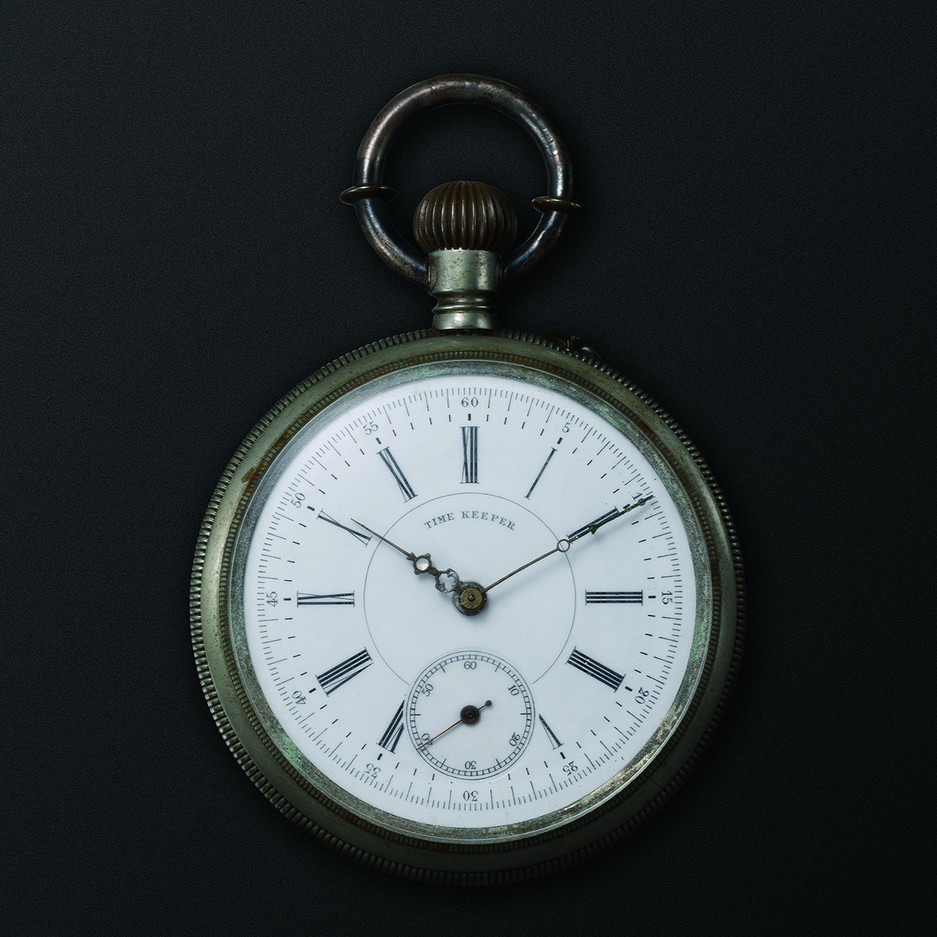
Timekeeper
Seikosha’s first pocket watch, made three years after the factory opened, with a cylinder escapement.
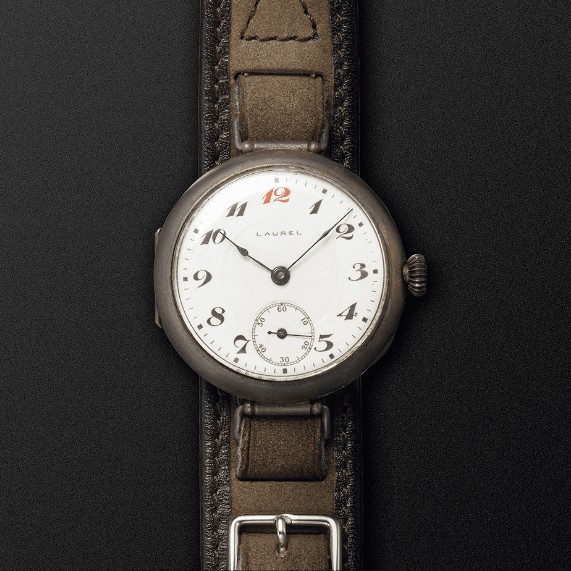
Laurel
Japan’s first wristwatch, with a 12-ligne movement.
Popular Models
In the collection as of October 2026.
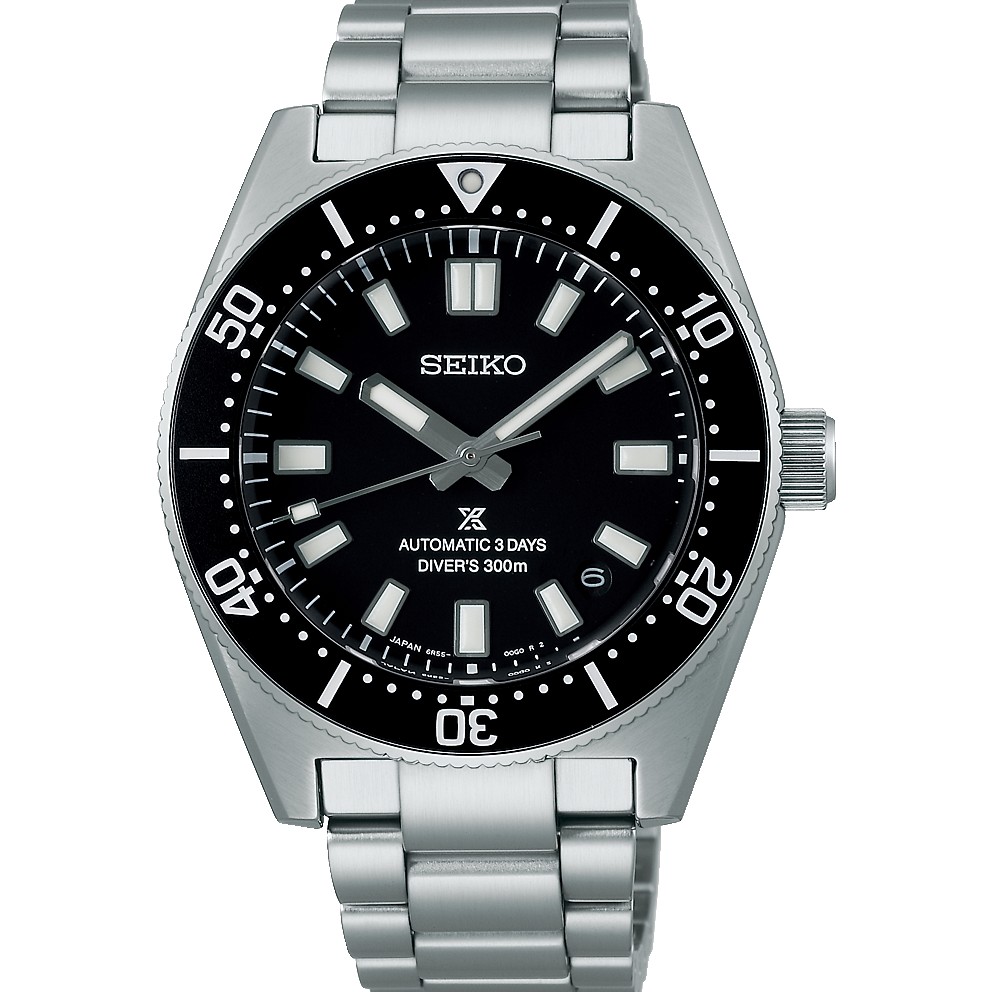
Prospex 1965 Heritage Diver’s Watch
A 40 mm steel diver rated to 300 m, modelled on the 1965 diver, with automatic calibre 6R55.
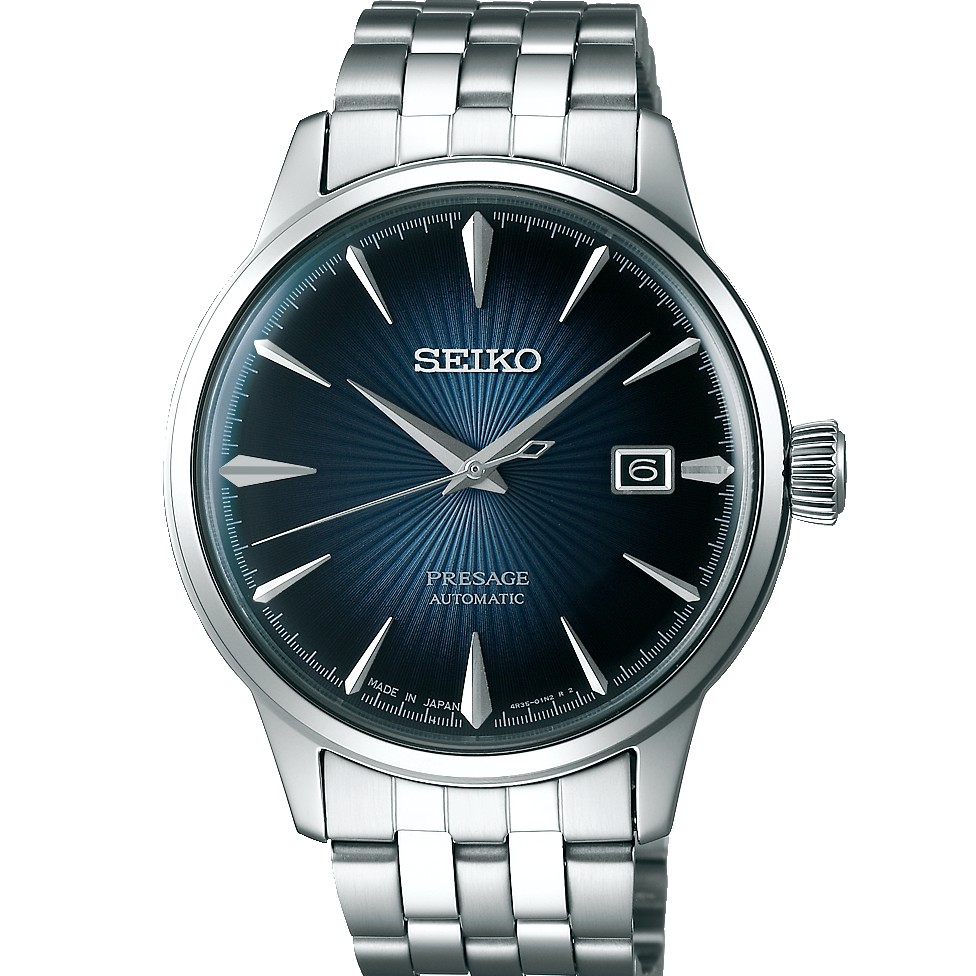
Presage Cocktail Time
A 40.5 mm steel watch with a blue sunburst dial and date, driven by automatic calibre 4R35.
Sourcesmuseum.seiko.co.jp · Seiko Museum Ginza · Seiko heritage · Seiko Group chronology
Milestones from Seiko