
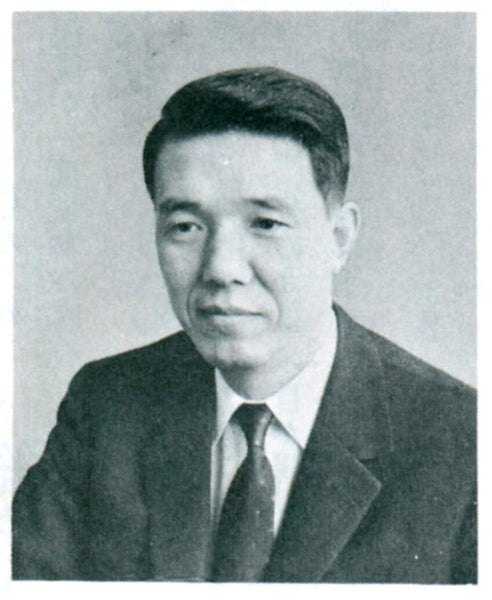
Beginnings
Nakamura was born in Sakata, on the Japan Sea coast, in 1923, studied mechanical engineering at Nihon University and joined Daini Seikosha in 1944, moving the next year to Suwa Seikosha in the mountains of Nagano, where he spent his career. His first mark was mechanical: he designed the Marvel of 1956, the movement that made Seiko’s reputation for accuracy, and the Gyro Marvel of 1959.
What he changed
In 1959 Suwa began its quartz programme, the “59A project”, and Nakamura led it. The first fruit was the timing of the 1964 Tokyo Olympics with quartz clocks; then, with the chairman Shoji Hattori’s one-year ultimatum of 1968 behind them, his team built twenty watches by December 1969 and put the Quartz Astron on sale on Christmas Day. In the 1980s, as president of Seiko Epson, he led the company’s early elimination of CFC solvents from its factories.
Why it matters now
The Astron ended the observatory competitions, set the Swiss industry on the road to its 1970s crisis and made the accurate watch cheap. The Institute of Electrical and Electronics Engineers marks the Astron as a milestone of engineering, “a team of engineers headed by Tsuneya Nakamura”.
Worth knowingHe was still chairman of Seiko Epson when a young engineer named Akahane was filing the patents that became Spring Drive.
Historian’s noteHe is sometimes called the inventor of the quartz watch; he was the leader of the project, and the quartz clock work of Seikosha in 1958 and of Daini Seikosha preceded Suwa’s. His death is often misdated; Epson announced it in January 2019.
SourcesSeiko · IEEE Milestone · Nikkei