
Legends of Horology
The people who made the watch.
Fourteen lives, in the order they were born: from the man who built the first self-winding watch to the engineer who dropped a watch from a window until it survived. Each page says who they were, what they changed, and where to find it on the timeline.
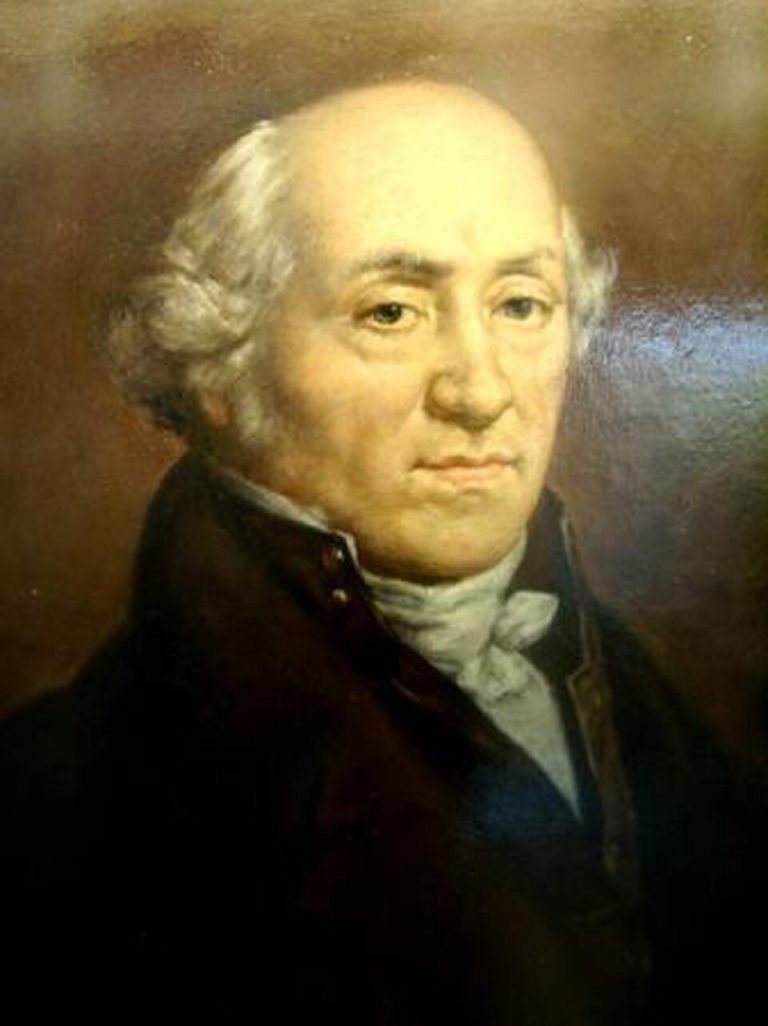
1747–1823Abraham-Louis BreguetVersailles and Paris from 1762; 51 quai de l’Horloge from 1775; Switzerland in exile, 1793–95The tourbillon, the gong spring, the pare-chute: the watchmaker every other watchmaker measures against.
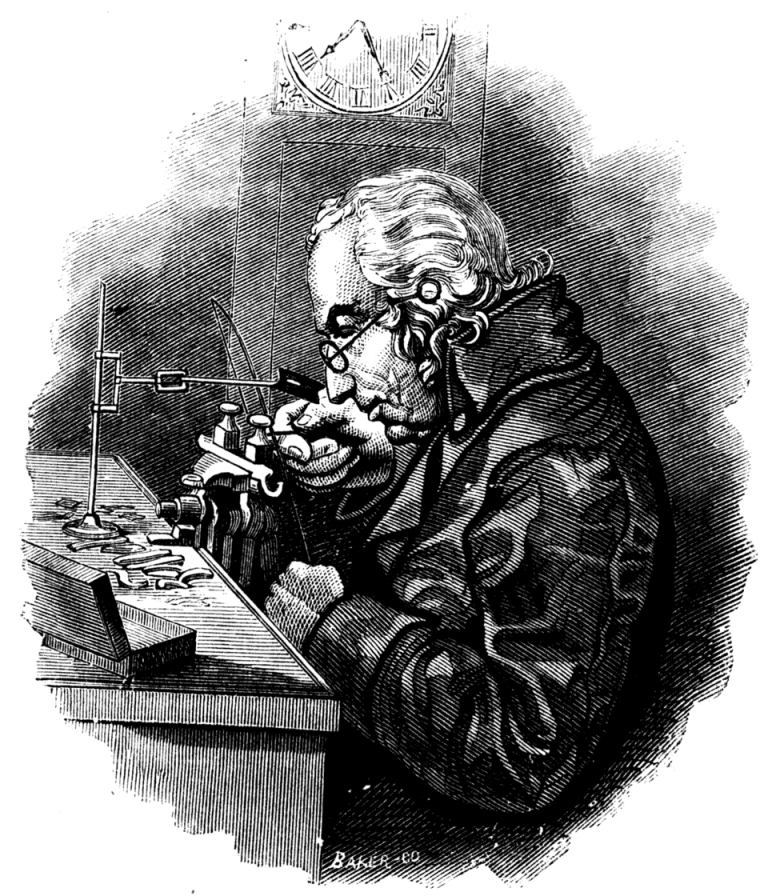
1729–1826Abraham-Louis PerreletLe Locle, all his lifeBuilt the first self-winding watch, in the Le Locle workshop he never left.
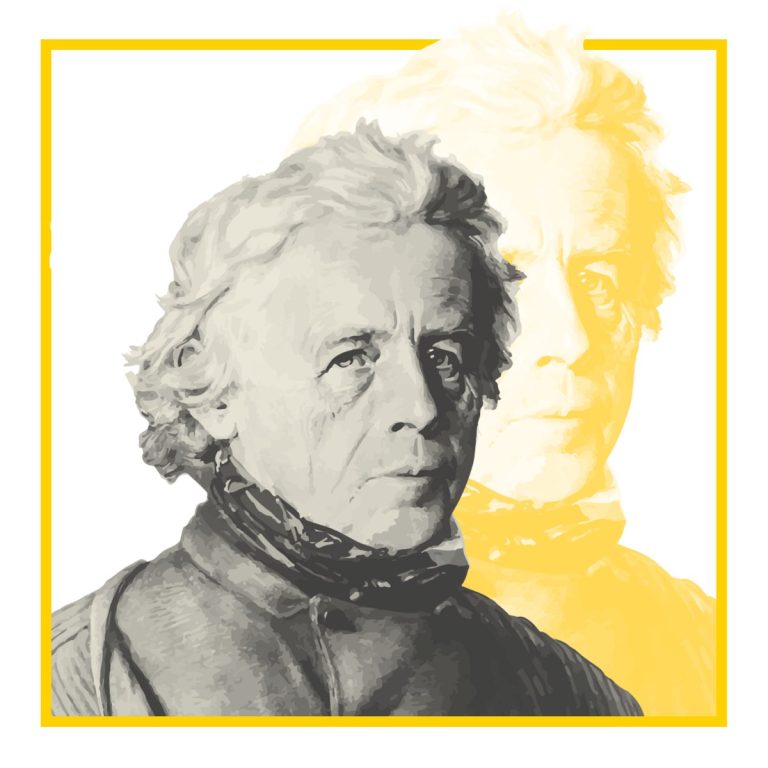
1803–1881Antoine LeCoultreLe Sentier; the family forge, then the workshop he opened in 1833Measured the thousandth of a millimetre, and founded the manufacture that bears his name.
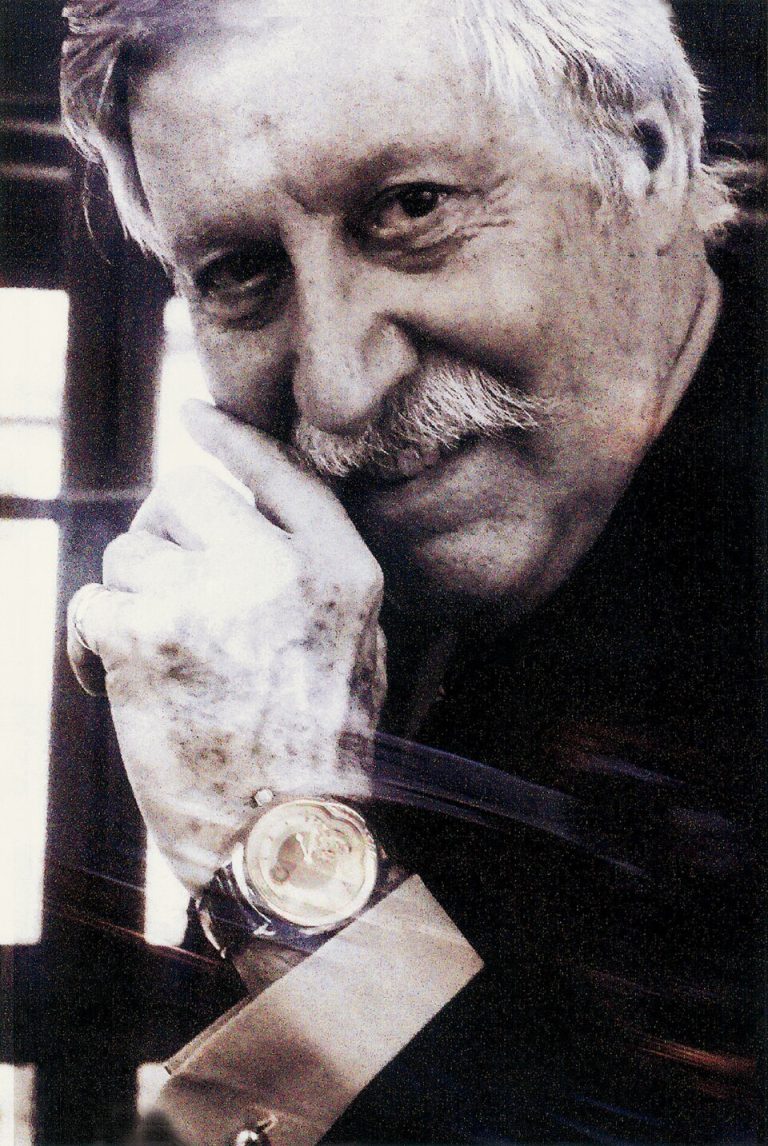
1931–2011Gérald GentaGeneva, as an independent designer; his own brand from 1969Drew the Royal Oak in a night and the Nautilus on a napkin, and gave the luxury watch its steel.
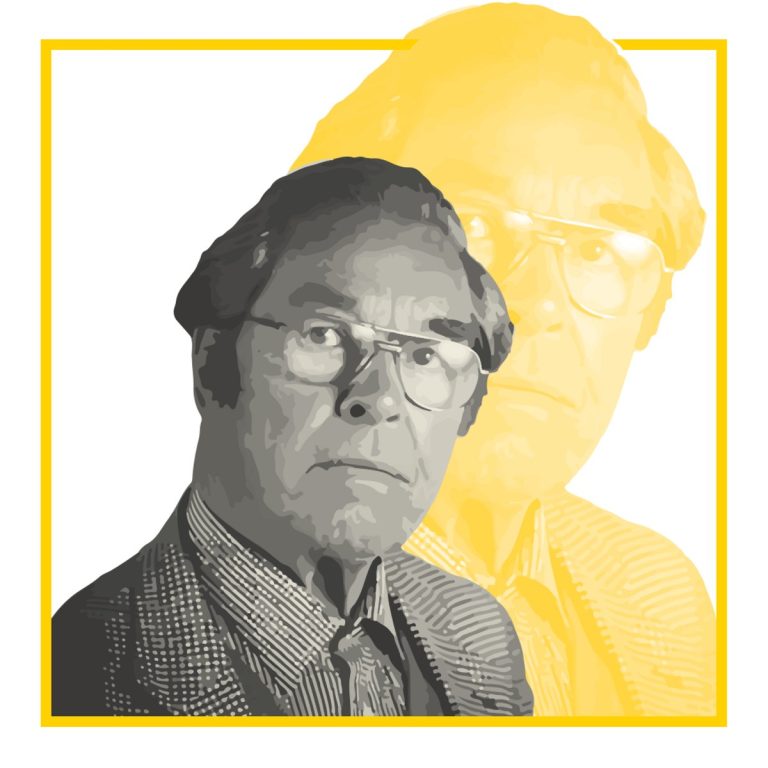
1926–2011George DanielsLondon, then the Isle of Man from 1982Made every part of his watches with his own hands, and invented the first new escapement in two centuries.
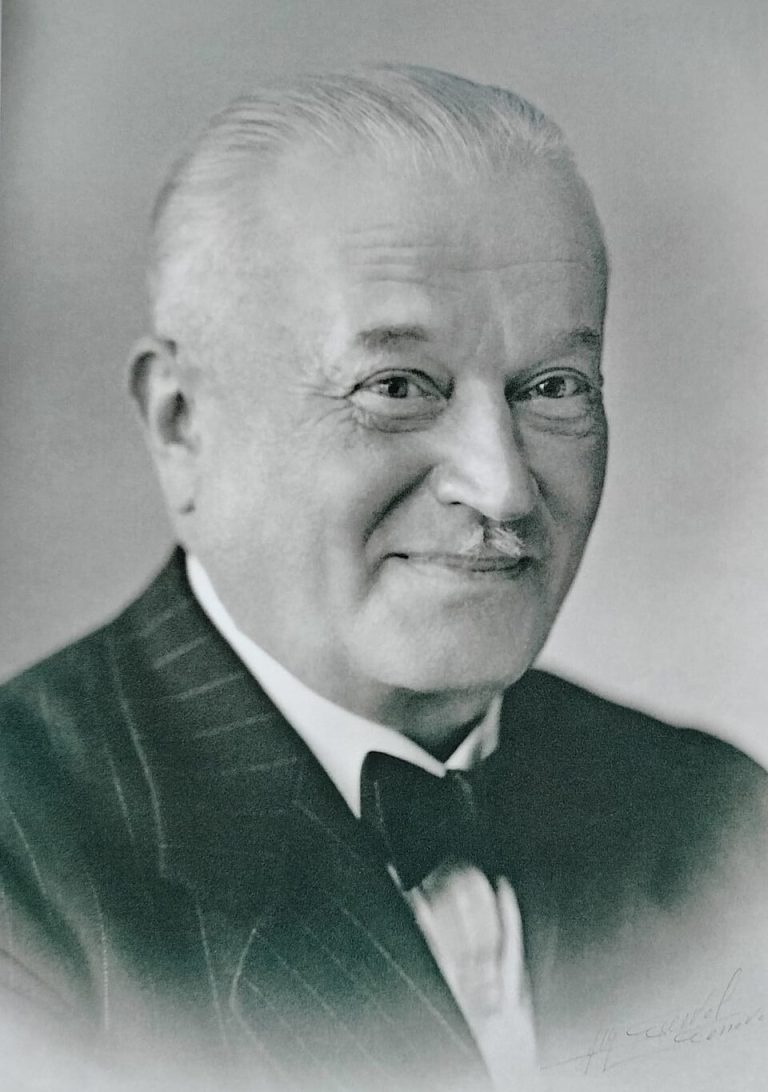
1881–1960Hans WilsdorfLa Chaux-de-Fonds, London (Wilsdorf & Davis, 1905), Geneva from 1919Founded Rolex, and made the wristwatch respectable with a certificate and a sealed case.
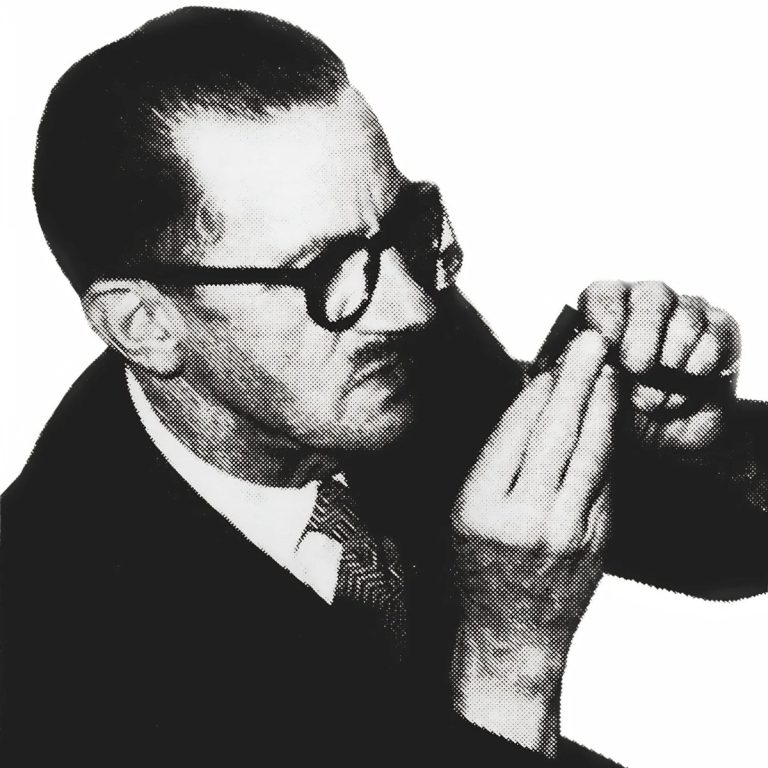
1893–1964John HarwoodBolton and Oldham; the Isle of Man; Grenchen, Switzerland, 1925–31; LondonA Bolton watch repairer who made the wristwatch wind itself, and lost the company in the slump.

b. 1952Kikuo IbeCasio, Tokyo, since 1976Dropped two hundred prototypes from a window until one survived, and made the toughest watch in the world.
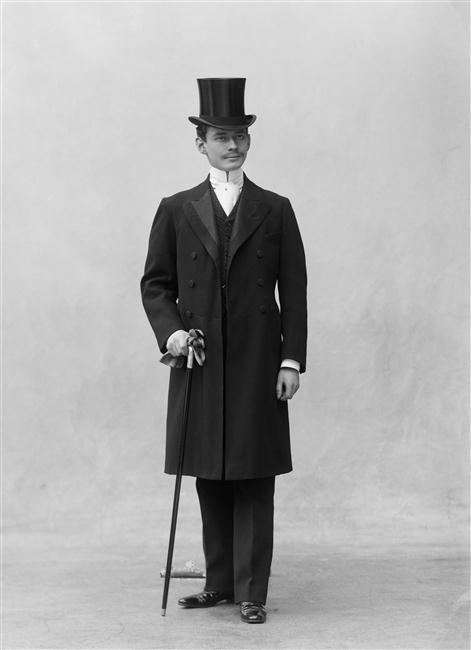
1875–1942Louis CartierCartier, 13 rue de la Paix, Paris, from 1899; New York from 1909Designed the Santos for a pilot in 1904: the first men’s wristwatch made for a purpose.
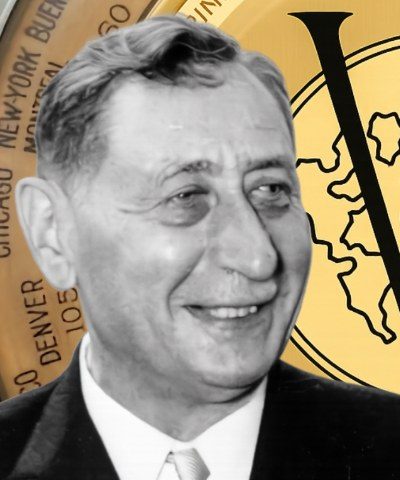
1894–1966Louis CottierGeneva factories until 1931, then his own workshop in CarougeWorked alone in a back room in Carouge, and gave the world-time watch its rotating ring of cities.
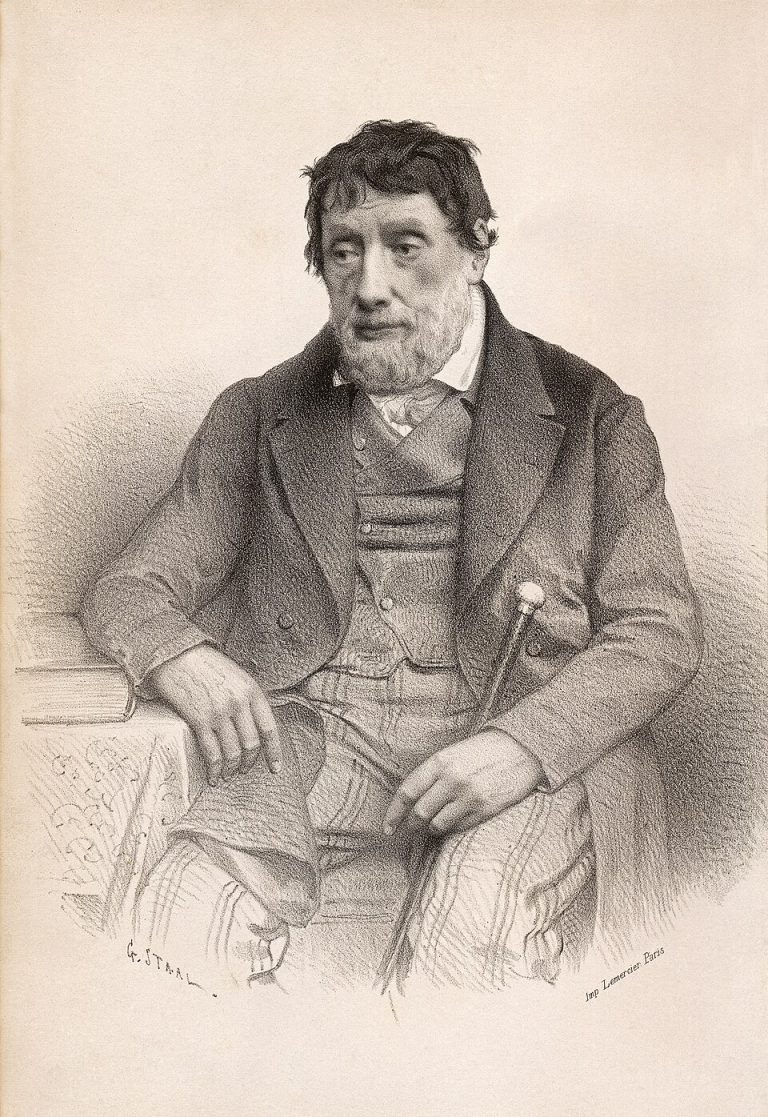
1768–1853Louis MoinetBourges, Rome, Florence, then Paris from 1794Made the first chronograph in 1816, to time the planets, and was forgotten for two hundred years.
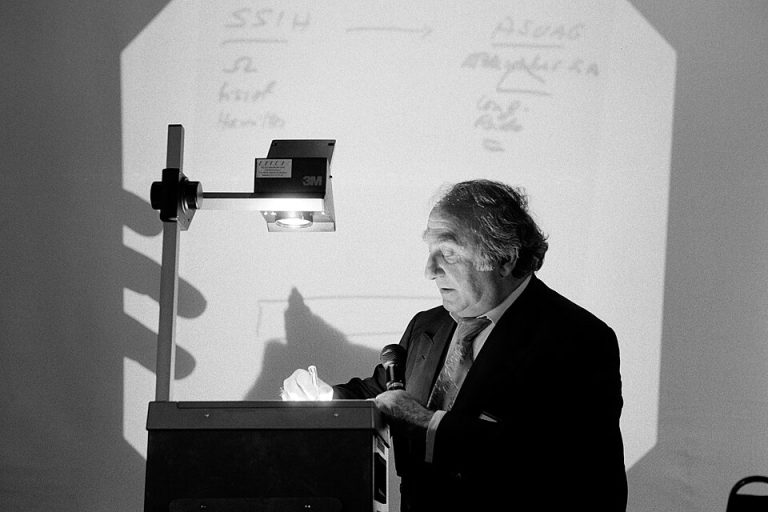
1928–2010Nicolas G. HayekHayek Engineering, Zurich, from 1963; SMH, later the Swatch Group, Biel, from 1983Merged two failing giants, backed a plastic watch, and saved the Swiss watch industry from quartz.
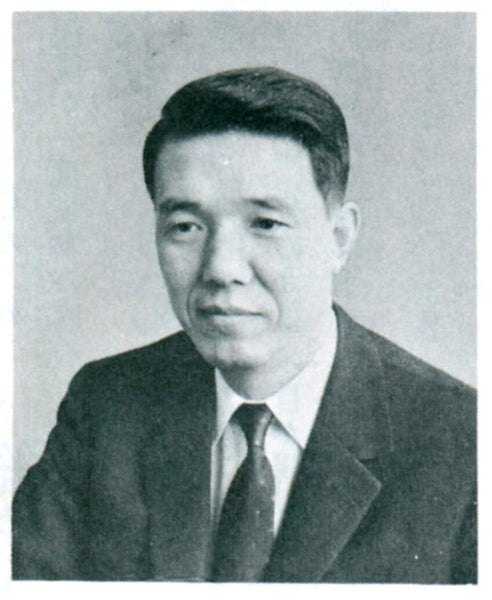
1923–2018Tsuneya NakamuraSuwa Seikosha (now Seiko Epson), Nagano, from 1945; president 1987–91Led the Seiko team that put the first quartz watch on a wrist, on Christmas Day 1969.
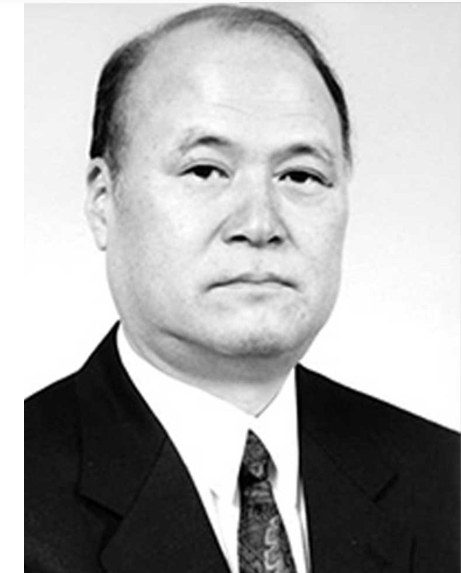
d. 1998Yoshikazu AkahaneSuwa Seikosha and Seiko Epson, Shiojiri, NaganoSpent twenty years and six hundred prototypes on a watch that is wound like a mechanical one and keeps time like quartz.